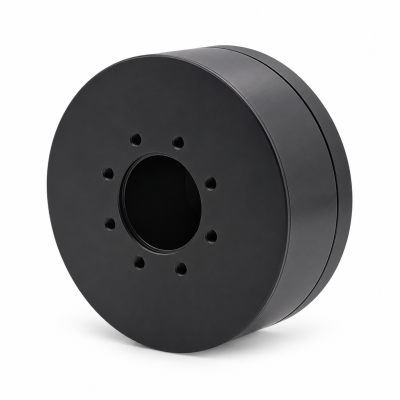
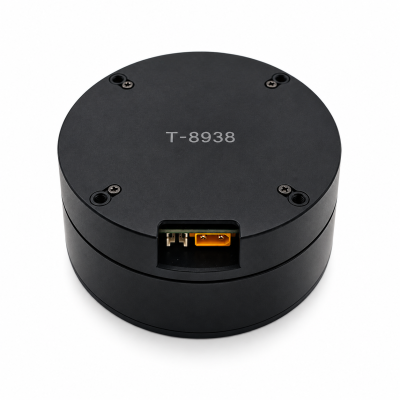
MG3505-8
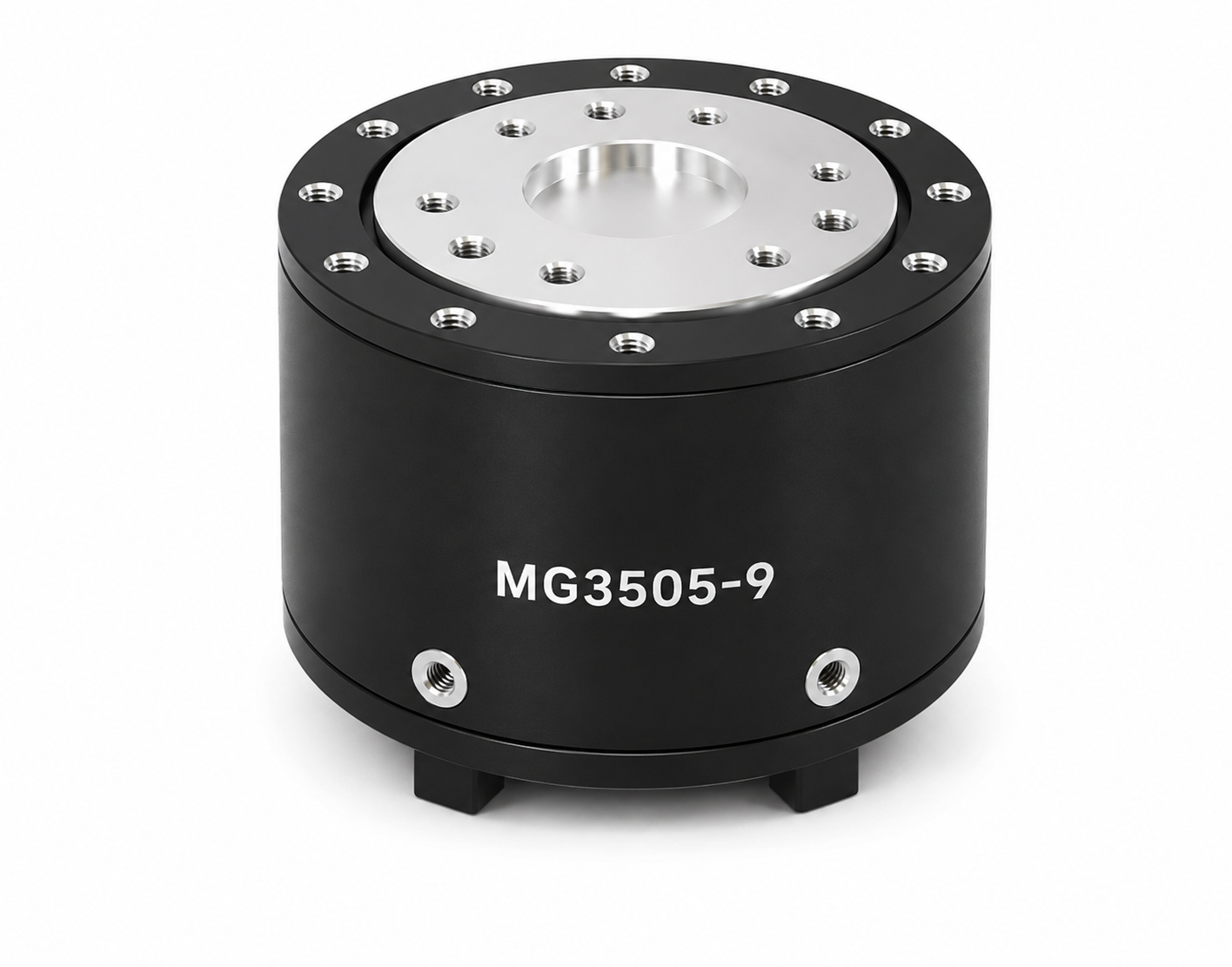
 MG3505-9
 MG3505-36
 MG4315-8
 MG6010-6
 MG6010-8
 MG4305-10
 MG4310-10
 MG4310-36
 MG4310-40
 MG3510-8
 MG3510-64
 MG6010-36
 MG6010-48
 MG8108-6
 MG8108-8
 MG8108-36
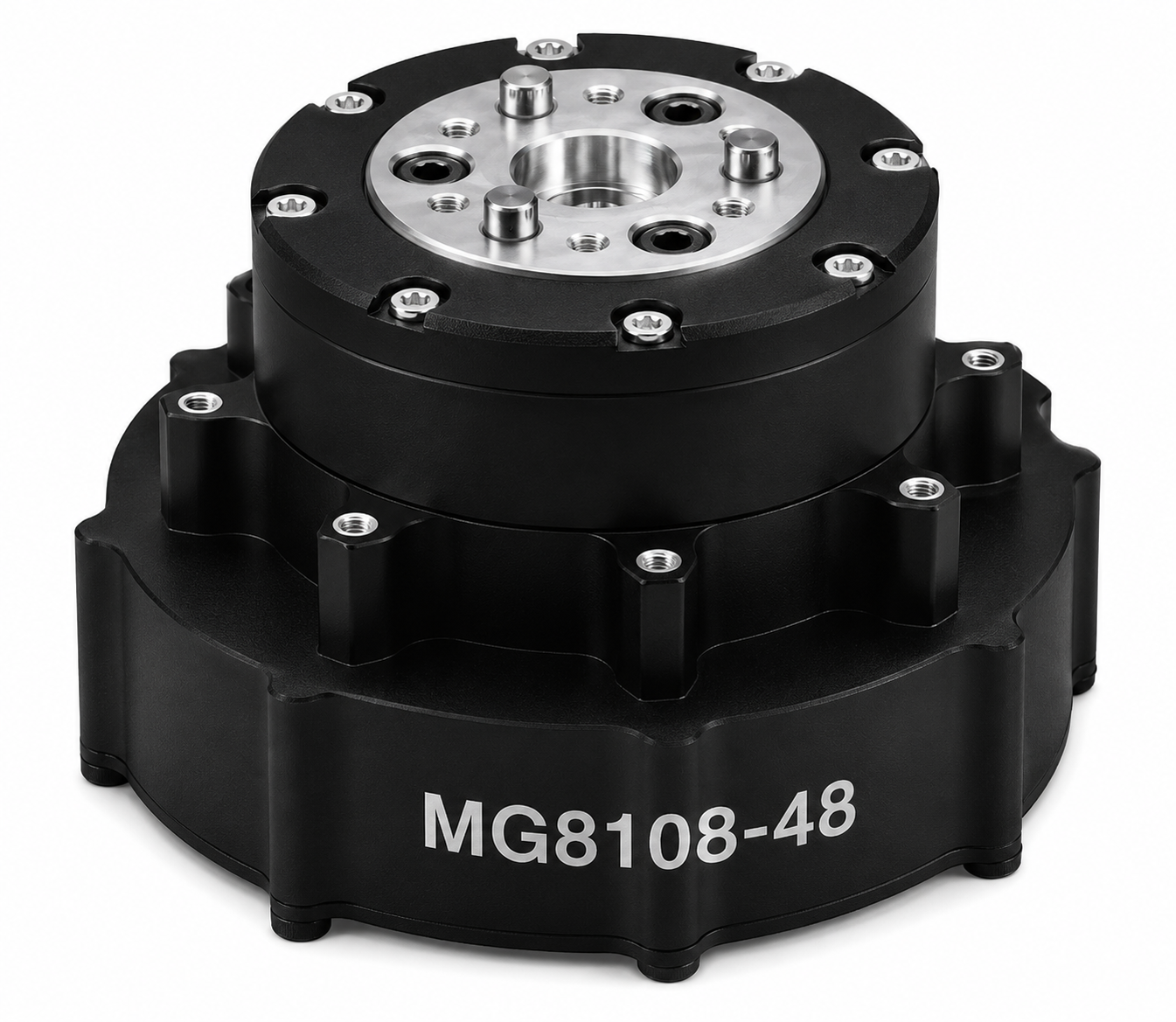
 MG8108-48
 MG8115-6
 MG8115-9
 MG8115-36
 T-4024
 T-4929
 T-6034
 T-8938
How to Choose a Robot Joint Motor: A Complete Selection Guide
The robot joint motor is the single most consequential part you will pick for a robotic arm or humanoid. It decides how strong, smooth, light, and serviceable the whole machine becomes. This guide walks through the two main architectures, the specifications that actually matter, and a joint-by-joint selection map — using real motors from our robot joint motor catalog.
What Is a Robot Joint Motor?
A robot joint motor is an integrated actuator that packs a brushless DC (BLDC) servo motor, a gearbox (or a direct-drive hollow shaft), a high-resolution encoder, and often the driver into one compact module. Unlike a bare motor, it must deliver high torque in a small, light package while keeping cables tidy and the joint smooth.
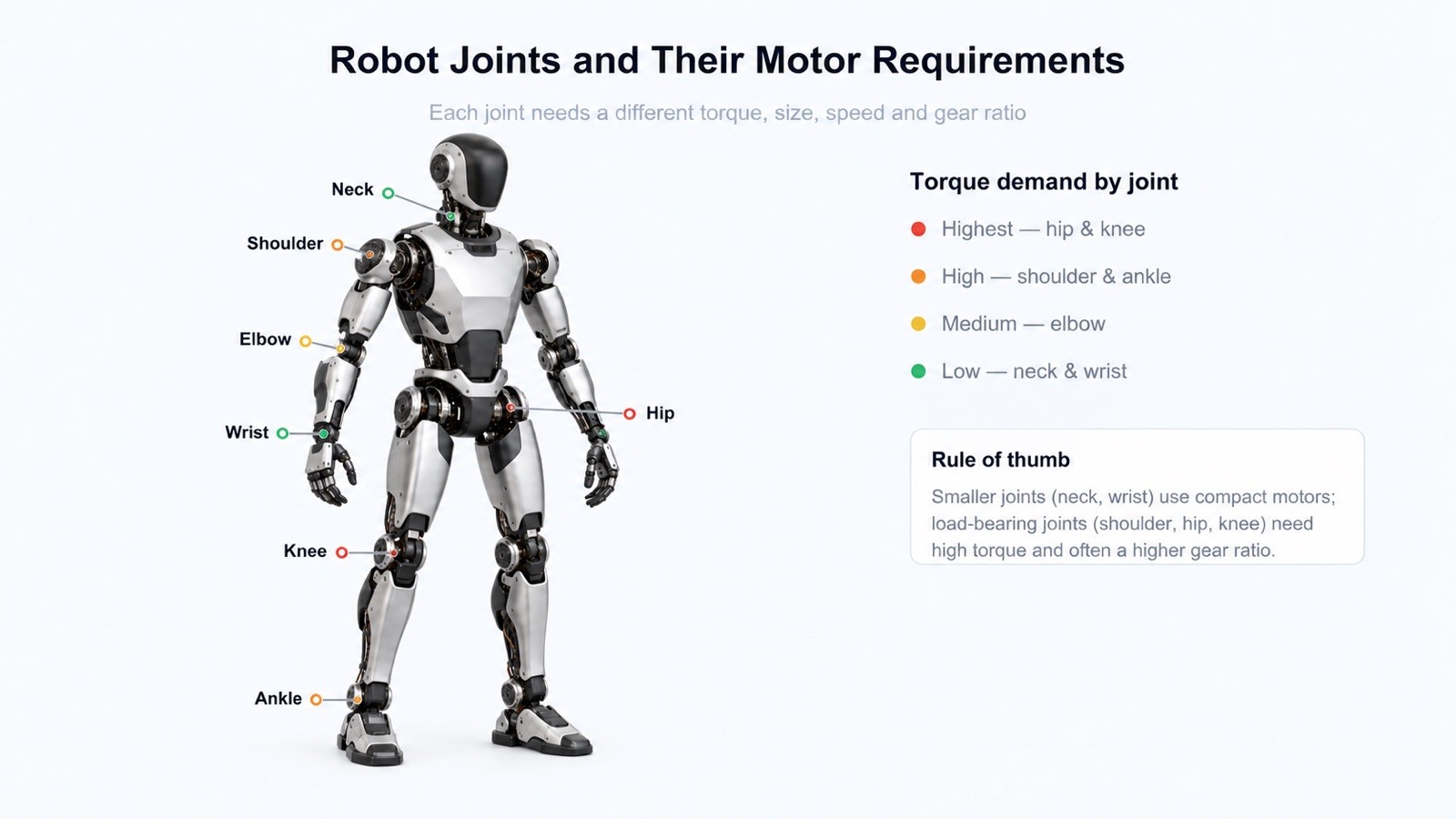
Two Architectures: Geared vs. Hollow-Shaft
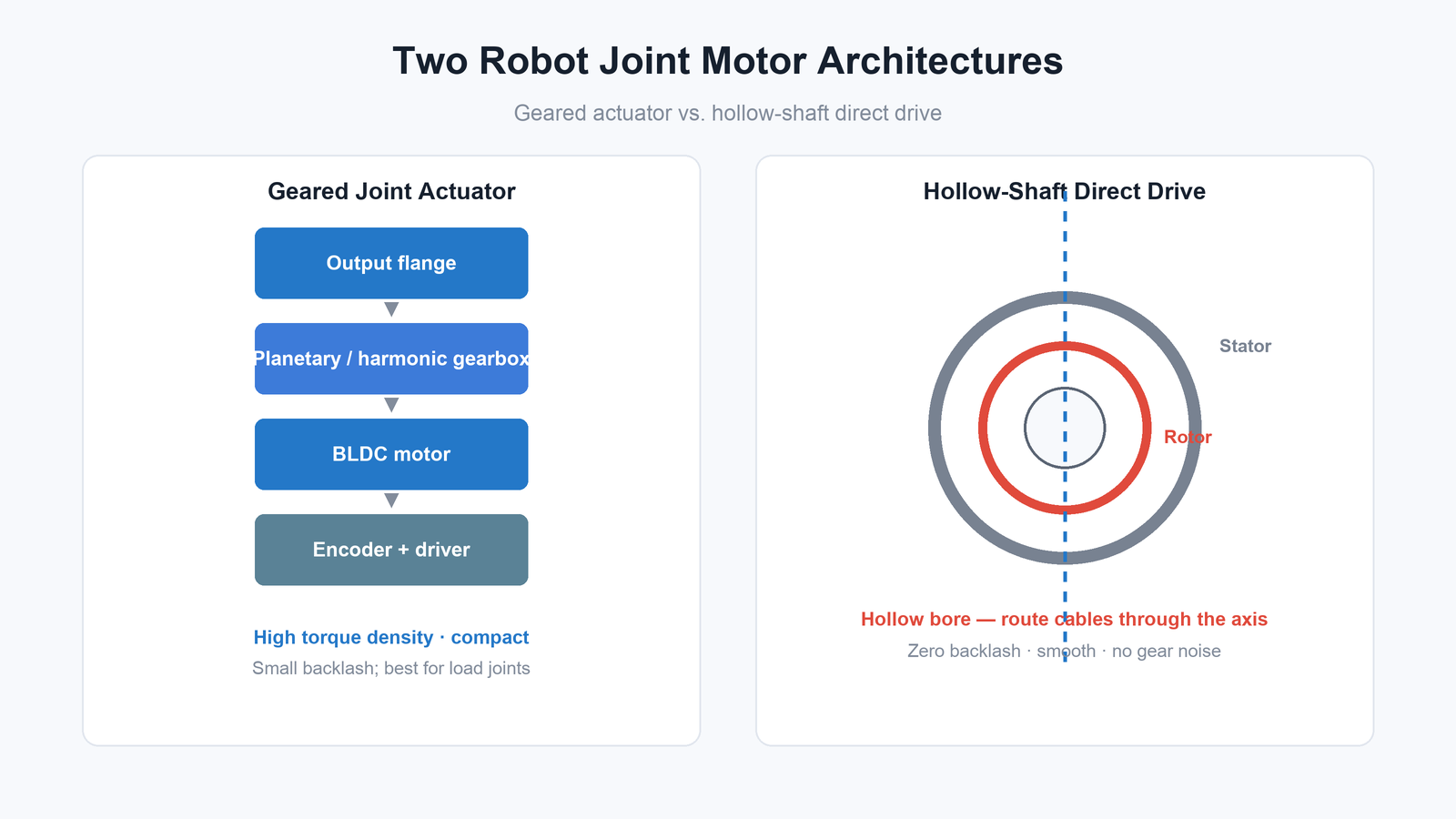
Most robot joints use one of two approaches, and choosing between them is your first decision.
1. Geared Joint Actuator
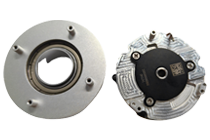
A BLDC motor drives a planetary or harmonic gearbox to multiply torque in a small diameter. Geared actuators offer high torque density and are the workhorse for load-bearing joints. The trade-off is a small amount of backlash, which is why precise cogging torque and gear quality matter for smoothness.
2. Hollow-Shaft Direct Drive
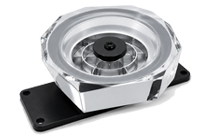
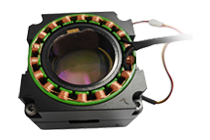
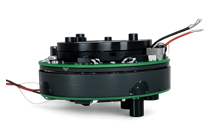
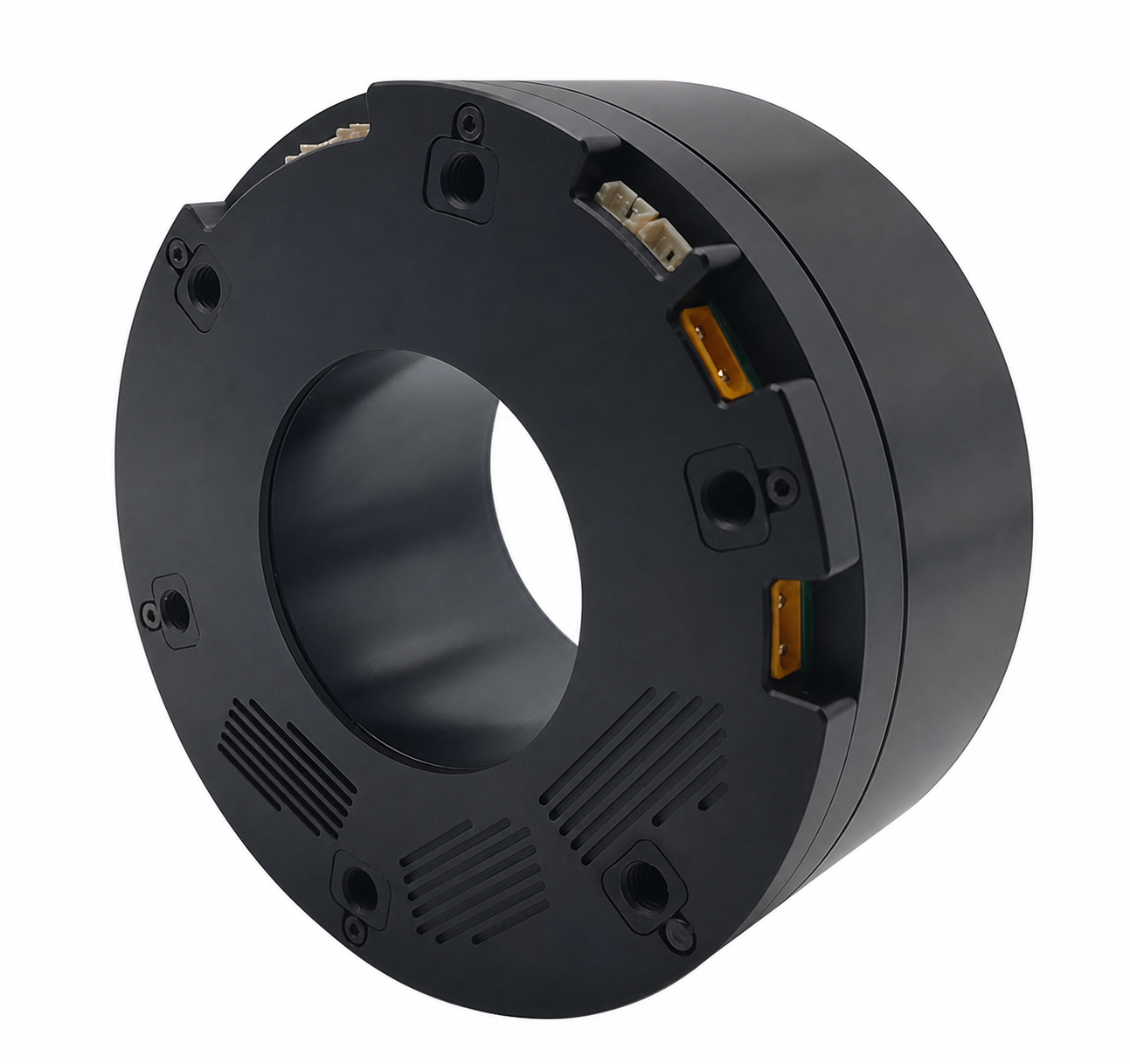
A direct-drive motor with an open bore delivers zero backlash and buttery-smooth motion, and it lets you route cables, optical fibers, or slip rings straight through the axis. Hollow-shaft motors are ideal for rotary/waist joints, wrists, and cable-routing-critical designs.
The Specifications That Matter
- Rated vs. peak torque — rated is continuous; peak is the short burst the joint can deliver.
- Gear ratio — higher ratios (e.g. 36:1, 48:1) multiply torque but reduce output speed.
- Encoder resolution — 12-bit to 20-bit, often dual (motor-side + output-side) for absolute positioning.
- Size and weight — every gram at the end of an arm multiplies the load on the joints below it.
- Bus and protection — CAN Bus / RS485 communication and IP54 sealing are standard for robots.
- Hollow bore — a through-hole simplifies cable routing and reduces wear.
Joint-by-Joint Motor Selection
Here is how we map each joint to a motor size and torque class, with examples from our line of robot joint motors.
Neck — small and light
The neck needs modest torque in the smallest package. Our Neck Joint Motor MG 3505-9 delivers 0.71 N·m rated torque at just ~131 g, while the MG 3505-36 reaches 3.12 N·m with a 36:1 gearbox for stiffer heads.
Wrist — compact precision
Wrists balance torque with low inertia. The Wrist Joint Motor MG 3510-8 offers 1 N·m for light wrists, and the MG 3510-64 provides 9 N·m with a 64:1 ratio for stronger, precise wrists.
Elbow — mid torque
Elbows carry the forearm and payload. The Elbow Joint Motor MG 4310-40 delivers 8.5 N·m rated torque at ~364 g — a strong middle ground between size and power.
Shoulder — load-bearing
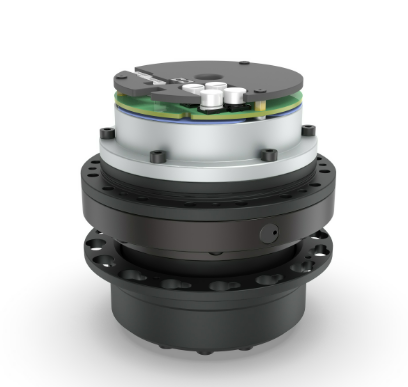
Shoulders lift the entire arm, so they need the most torque in a compact frame. The Shoulder Joint Motor MG 6010-8 provides 5 N·m rated / 11 N·m peak, while the Shoulder Joint Motor SLJ20 uses a 50:1 harmonic drive to reach 33 N·m rated torque at only ~980 g — ideal for collaborative and humanoid arms.
Hip, Knee and Ankle — highest torque
Legged robots concentrate enormous load at the lower joints. The Hip Joint Motor MG 6010-48 outputs 26.2 N·m, the Knee Joint Motor MG 8108-48 reaches 35.5 N·m rated (133.5 N·m peak), and the Ankle Joint Motor MG 8115-36 tops out at 48 N·m rated torque for demanding gait cycles.
Waist, Rotary and Cable-Through Joints
For rotary bases, wrists, and any joint where cables must pass through, a hollow-shaft direct drive is the clean answer. Our hollow-shaft line scales from the 33.8 g MG-H28-4, through the MG-H49-12, MG-H60-16, and MG-H79-31, up to the MG-H109-50 with 4 N·m rated torque and a Ø50 mm through-bore.
Integration Tips
- Route cables through the bore whenever possible to eliminate flexing and wear.
- Prefer dual encoders (motor-side + output-side) for absolute position after power cycles.
- Add a brake for vertical joints that must hold position safely on power loss.
- Watch thermals — torque ratings assume adequate heat sinking in the joint housing.
- Match the bus — most of our joint motors speak CAN Bus / RS485 for daisy-chained control.
How to Specify (Checklist)
- List each joint and its required peak and continuous torque.
- Decide geared vs. hollow-shaft per joint based on backlash and cable routing.
- Set the encoder resolution and redundancy you need.
- Confirm size, weight, and hollow bore fit your link design.
- Verify bus, voltage, and IP rating against your controller and environment.
Frequently Asked Questions
What is the difference between a robot joint motor and a servo motor?
A robot joint motor is a servo motor packaged as an integrated actuator — motor plus gearbox, encoder, and often driver — specifically shaped for a robot joint. A servo motor alone is just the motor.
Should I choose a geared or hollow-shaft joint motor?
Choose geared for high torque density in load-bearing joints (shoulder, knee, hip). Choose hollow-shaft direct drive for zero backlash, smoothness, and through-bore cable routing.
How much torque does a robot joint motor need?
It scales by joint: neck and wrist actuators start near 0.7 N·m, elbows around 8 N·m, and hip, knee, and ankle joints often require 26 to 48 N·m for legged robots.
Conclusion
Choosing a robot joint motor is about matching torque, gear ratio, encoder, size, and cable routing to each joint's job. Small joints stay light; load-bearing joints get high-ratio gearboxes; rotary and cable-through joints get hollow-shaft direct drives. Browse our Robot Joint Motor range or a turnkey 7-DOF robotic arm to see these principles applied end to end.