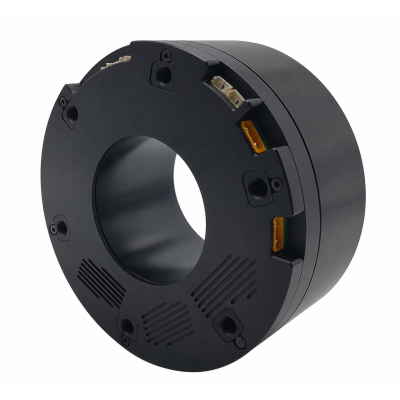
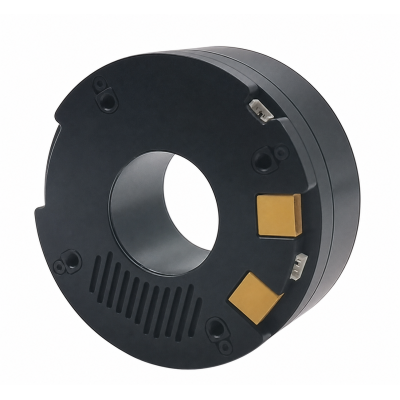
MG3505-8
 MG3505-9
 MG3505-36
 MG4315-8
 MG6010-6
 MG6010-8
 MG4305-10
 MG4310-10
 MG4310-36
 MG4310-40
 MG3510-8
 MG3510-64
 MG6010-36
 MG6010-48
 MG8108-6
 MG8108-8
 MG8108-36
 MG8108-48
 MG8115-6
 MG8115-9
 MG8115-36
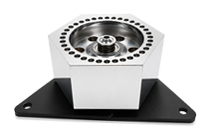
 SRA705F
 SRA705FL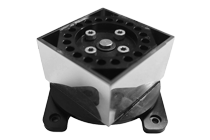
What Is a BLDC Motor and How Does It Work?
Direct answer: A brushless DC (BLDC) motor is an electric motor whose stationary windings are switched by an electronic controller instead of mechanical brushes. Permanent magnets on the rotor follow the changing magnetic field, producing continuous rotation. The controller must know, or estimate, where the rotor is so it can energize the right windings at the right time.
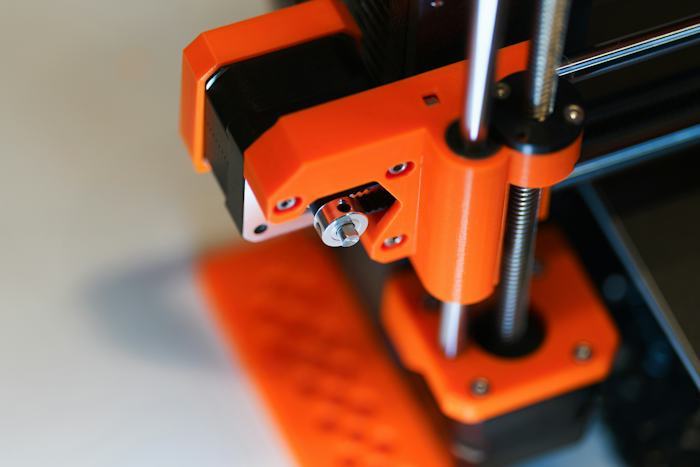
What is inside a BLDC motor?
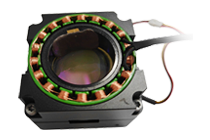
The stator is the stationary part with copper windings, commonly arranged as three phases. The rotor carries permanent magnets and turns with the shaft. Outside the motor, a driver or inverter controls current through the windings. A rotor-position sensor, such as a Hall-effect sensor or encoder, may provide feedback; some drives estimate position from the motor's electrical signals instead.
A brushed motor uses brushes and a commutator to change current paths mechanically. A BLDC motor has no brushes at that switching interface, so its controller performs the switching electronically. The motor and controller therefore need to be considered as one drive system.
How does it work, step by step?
- The controller receives DC power. Its power switches create controlled currents in the stator phases.
- Energized windings create a magnetic field. The rotor magnets are attracted or repelled, creating torque.
- The controller changes the active phases as the rotor turns. This timed switching is called commutation. Without it, the rotor would not keep following a rotating field.
- Feedback regulates the motion. Rotor position informs the switching sequence, while current control, often using pulse-width modulation, regulates torque and speed.
In a common six-step drive, two of the three phases conduct during each commutation interval and the third is left unpowered. Other control methods, including field-oriented control, shape phase currents more continuously to improve smoothness when the application requires it.
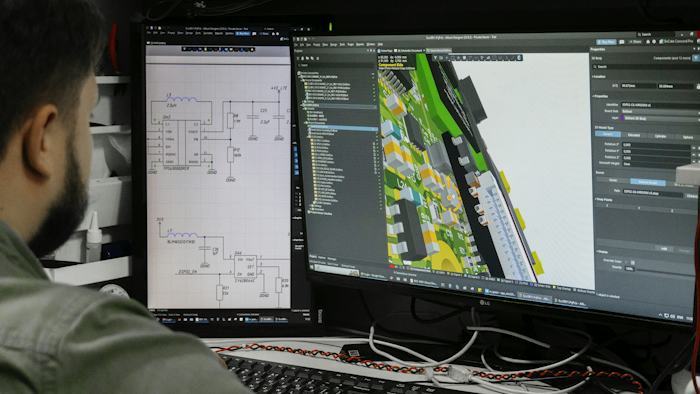
How does the controller know rotor position?
Sensored control uses Hall-effect sensors or a higher-resolution encoder to report rotor position. Hall sensors are a practical option for commutation; encoders are useful when precise position or speed feedback is needed. Sensorless control estimates position from electrical measurements such as back electromotive force (back-EMF). Back-EMF is generated as the rotor turns, so back-EMF-based estimation needs a startup strategy when the shaft is stationary.
Neither approach is universally best. The choice depends on startup behavior, required low-speed control, position accuracy, wiring complexity, cost, and the chosen control algorithm.
Why choose a BLDC motor?
- Reduced brush maintenance: there are no commutator brushes to wear at the switching interface.
- Good efficiency and power density: useful when space, heat, and battery consumption matter.
- Controllable speed and torque: the drive can adapt current and switching to the load.
These benefits do not eliminate engineering trade-offs. A BLDC system needs an electronic drive, appropriate protection, and a control method matched to the application. Poor commutation can add torque ripple, vibration, or acoustic noise; prolonged stall current can overheat the windings and driver.

Where are BLDC motors used?
BLDC motors are used in applications such as fans, pumps, electric mobility, and industrial automation. In robotic joints, a BLDC motor may form part of a larger actuator with a gearbox, encoder, and control electronics. Choosing the motor alone is not enough: engineers also need to consider torque and speed at the output, duty cycle, thermal limits, power supply, feedback, and how the actuator integrates mechanically.
Frequently asked questions
Is a BLDC motor truly a DC motor?
It is typically supplied from a DC bus, but the electronic drive switches current among the stator phases. The “DC” name refers to the supply and motor family, not to a constant current through one winding.
Can a BLDC motor run without a controller?
It needs a suitable electronic drive to commutate its windings. Connecting a bare three-phase BLDC motor directly to a fixed DC supply does not provide the switching sequence needed for normal continuous rotation.
Does “brushless” mean maintenance-free?
No. It removes brush wear, but bearings, cooling, connectors, and the drive electronics still require appropriate design and inspection.
The bottom line
A BLDC motor turns because its controller repeatedly moves the stator's magnetic field ahead of the permanent-magnet rotor. Understanding that motor-plus-drive relationship makes it easier to compare sensors, control methods, and actuator designs for a real application.
Technical references: Texas Instruments on Hall-sensor commutation and Texas Instruments on sensored and sensorless control.