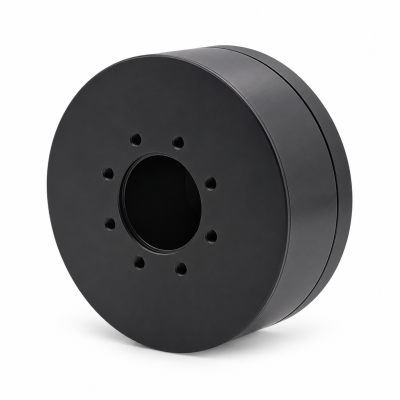
MG3505-8
 MG3505-9
 MG3505-36
 MG4315-8
 MG6010-6
 MG6010-8
 MG4305-10
 MG4310-10
 MG4310-36
 MG4310-40
 MG3510-8
 MG3510-64
 MG6010-36
 MG6010-48
 MG8108-6
 MG8108-8
 MG8108-36
 MG8108-48
 MG8115-6
 MG8115-9
 MG8115-36
 T-4024
 T-4929
 T-6034
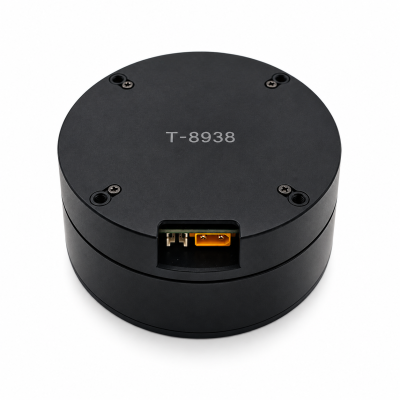
 T-8938
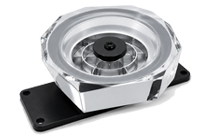
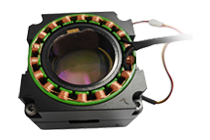
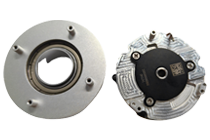
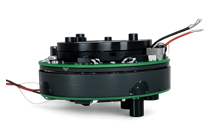
Hollow Shaft Servo Motor: Design, Benefits, and Selection Guide
In precision motion control, the difference between a clean, reliable machine and a tangle of cables and slip rings often comes down to one decision: the motor shaft. A hollow shaft servo motor replaces the solid shaft with a through-bore that lets cables, air lines, fiber optics, and even laser beams pass straight through the center of rotation—for a more compact, durable, and easier-to-integrate drive.
What Is a Hollow Shaft Servo Motor?

A hollow shaft servo motor is a closed-loop servo motor whose rotor and output shaft are machined with a cylindrical bore running through the center. Unlike a solid-shaft motor, this through-bore gives you an unobstructed passage from the back of the motor to the front of the load.
Most hollow shaft servos are built on a brushless DC (BLDC) or permanent-magnet synchronous architecture. If you are weighing this motor type against other drives, our comparison of the BLDC motor vs. servo motor explains the underlying differences and when each makes sense.
How the Through-Bore Design Works
In a solid-shaft servo installation, lines to the end effector typically run around the rotating assembly. The required cable management or rotary transfer depends on the motion range and on whether the lines connect stationary and rotating parts.
A hollow shaft provides a central routing passage. It can simplify packaging, but the complete design must still provide clearance, cable protection and a suitable arrangement for the required rotation.
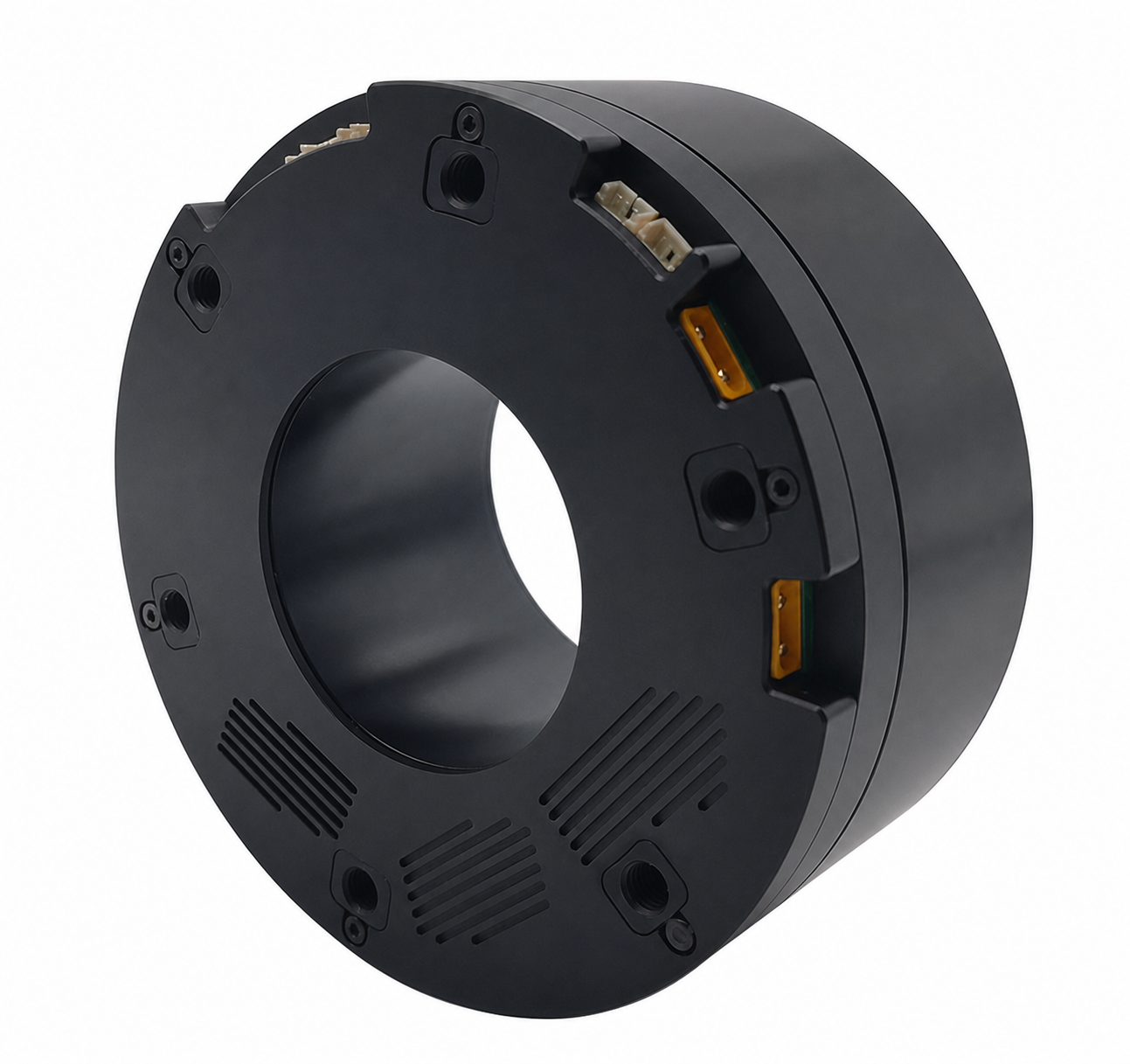
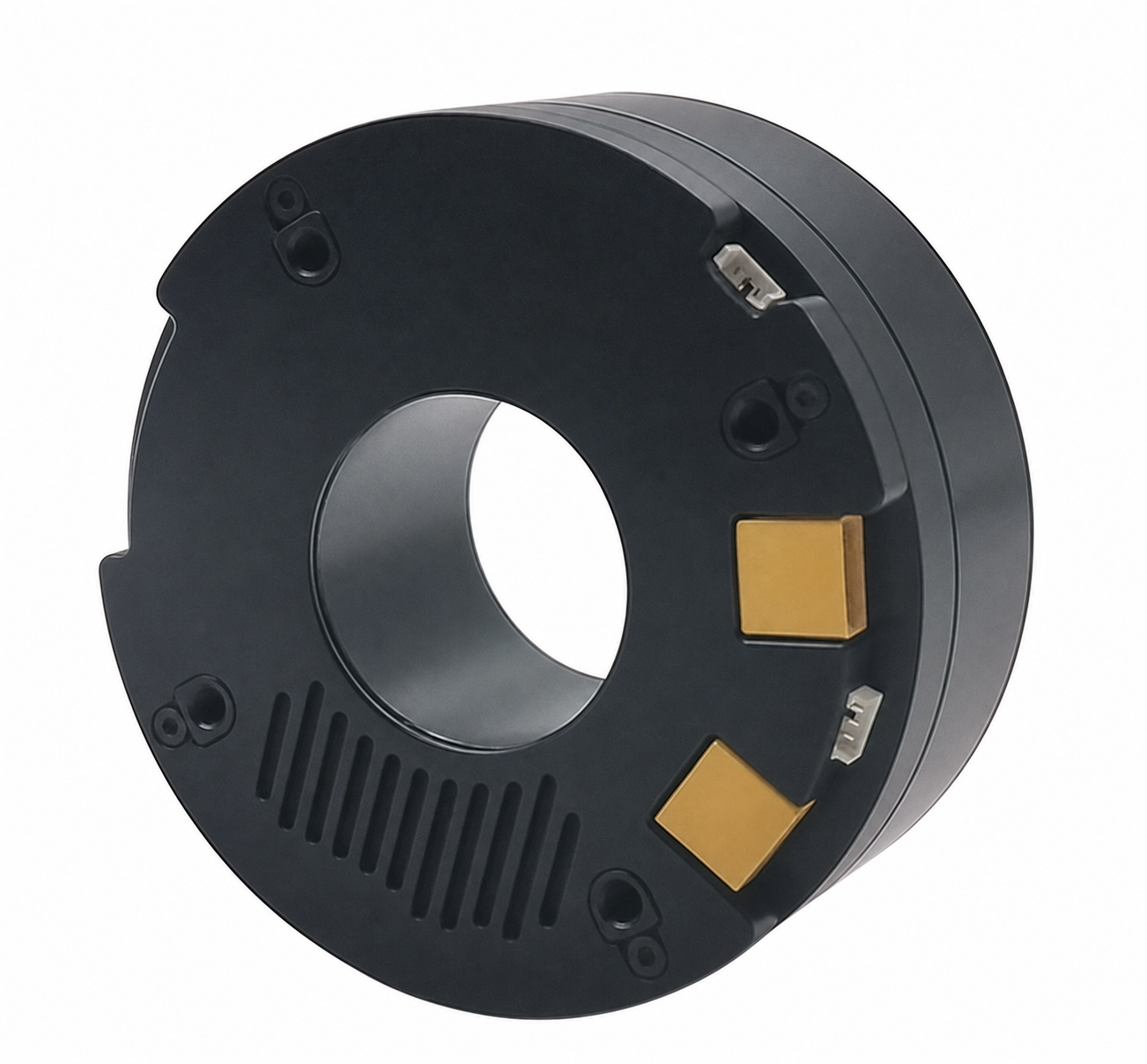
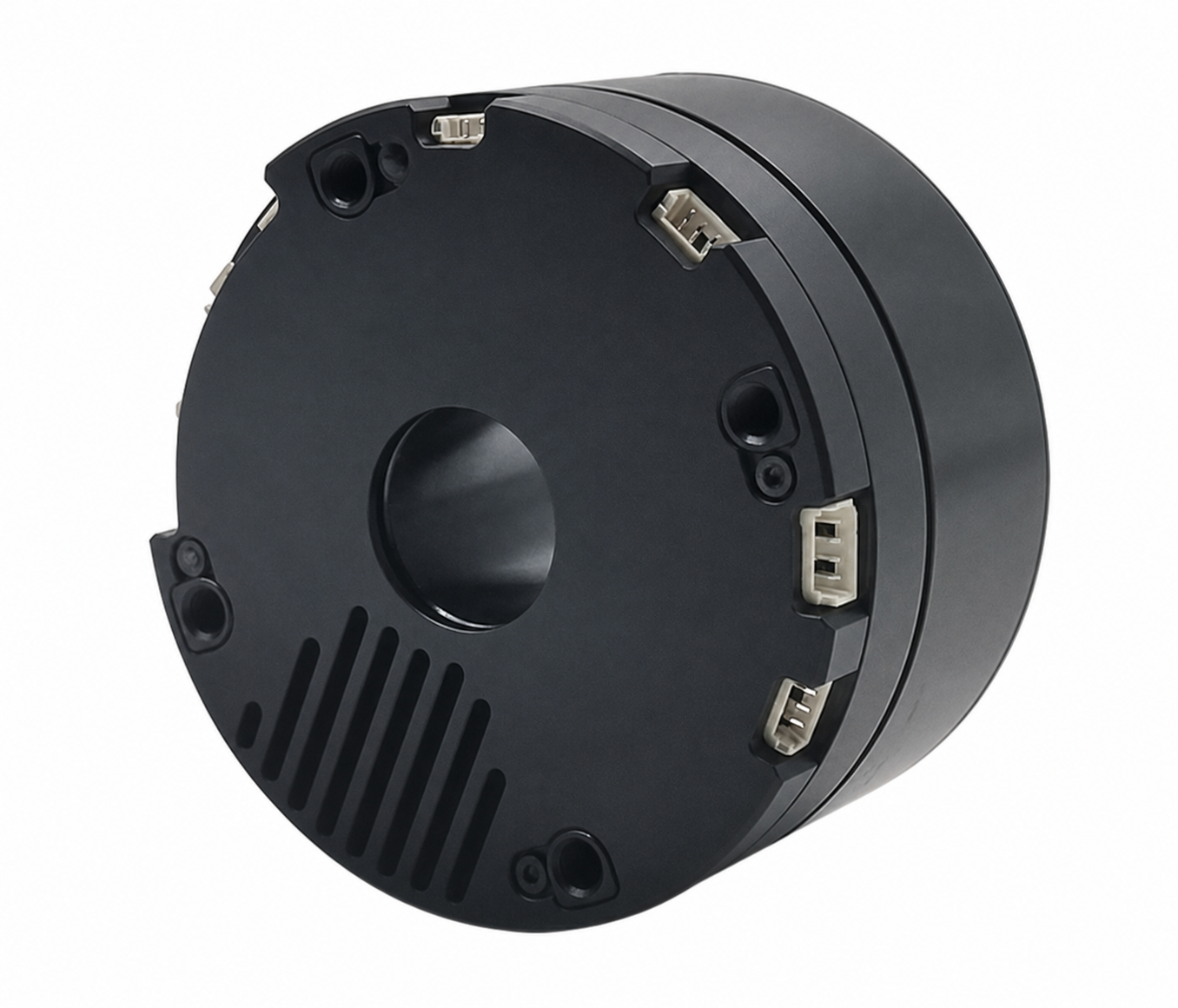
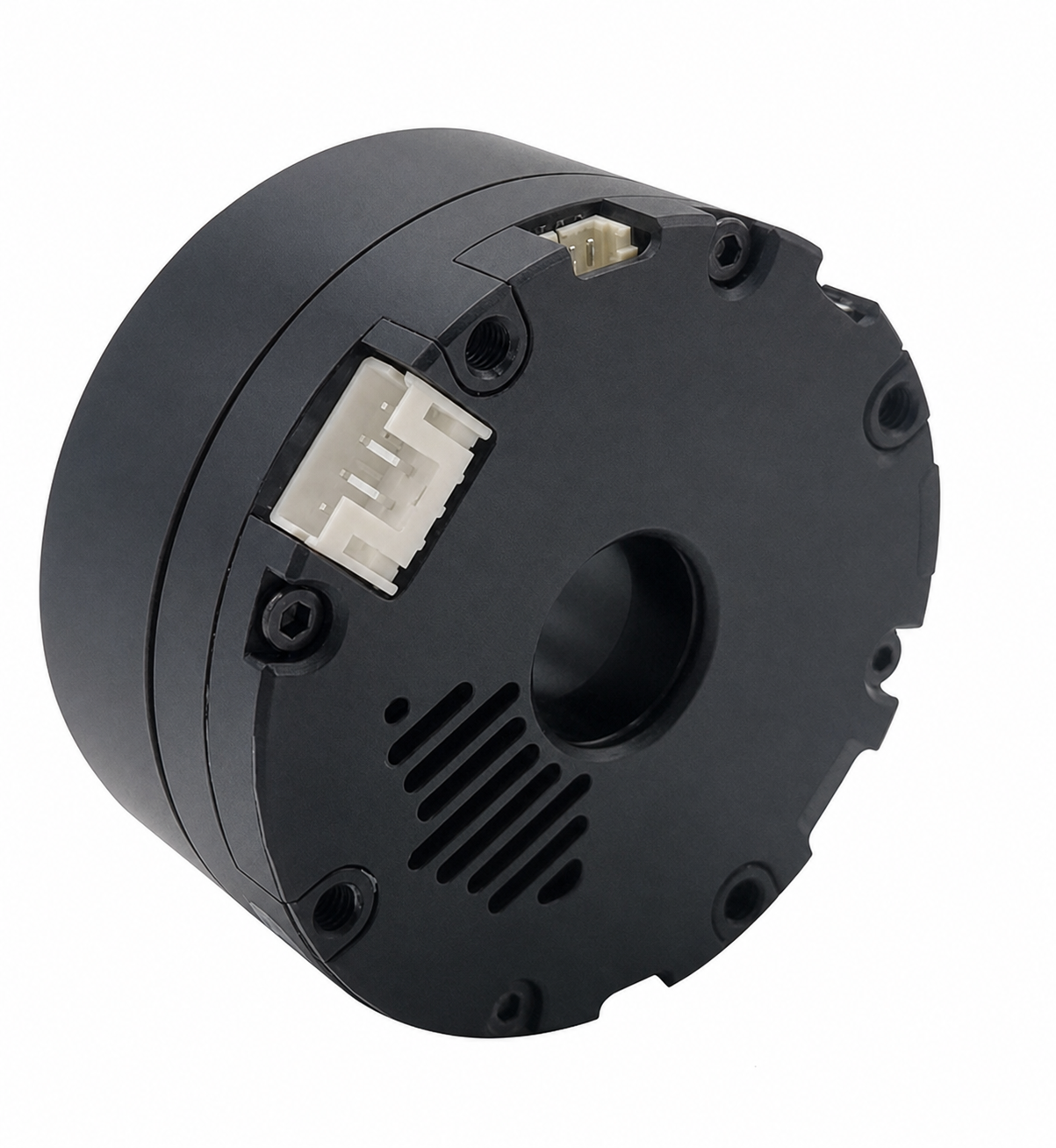
Our Hollow Shaft Servo Motor Range
From compact micro drives to high-torque joint actuators, these six models cover the most common through-bore requirements in robotics and automation. Each is a true servo with absolute encoder feedback.
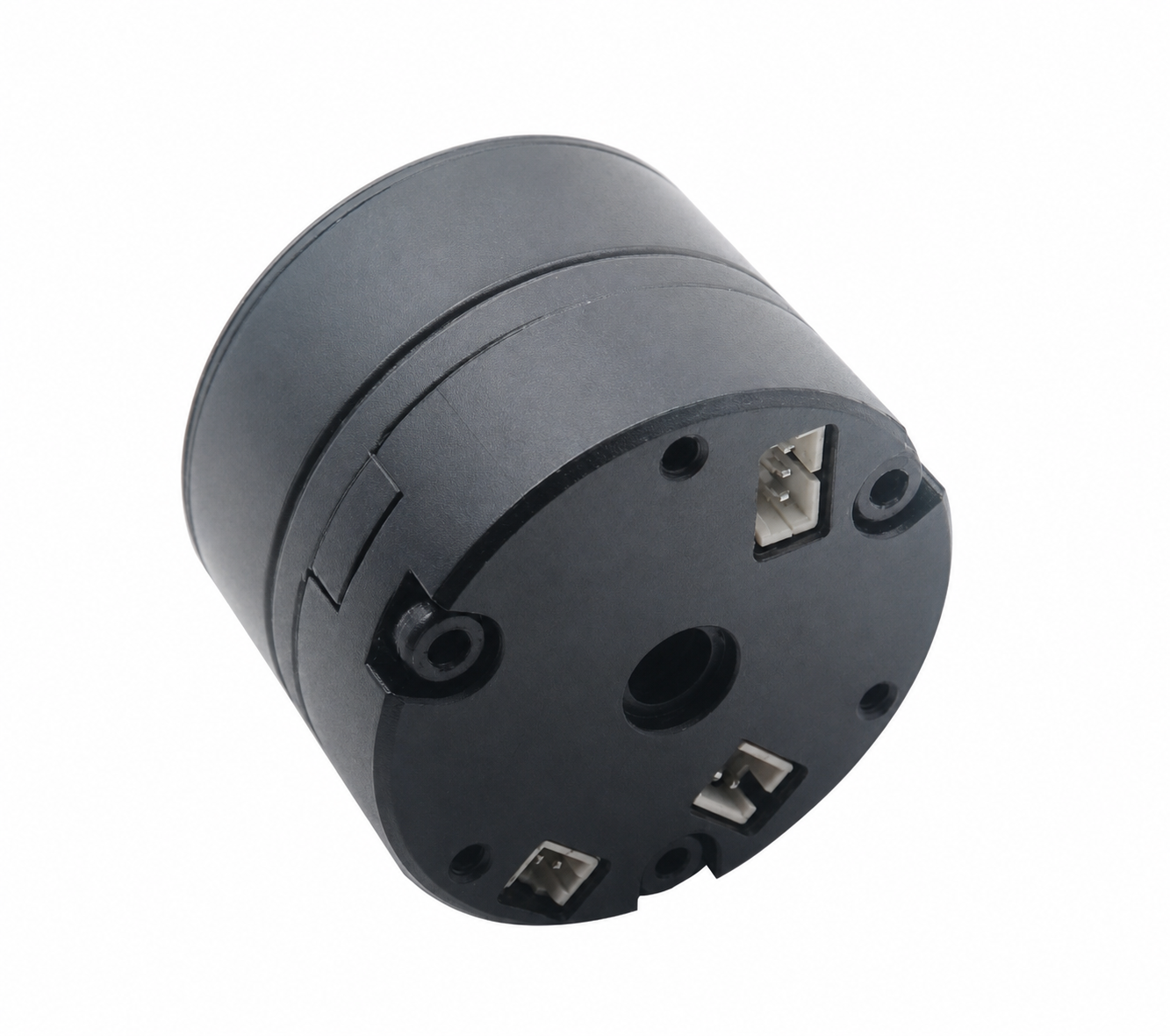
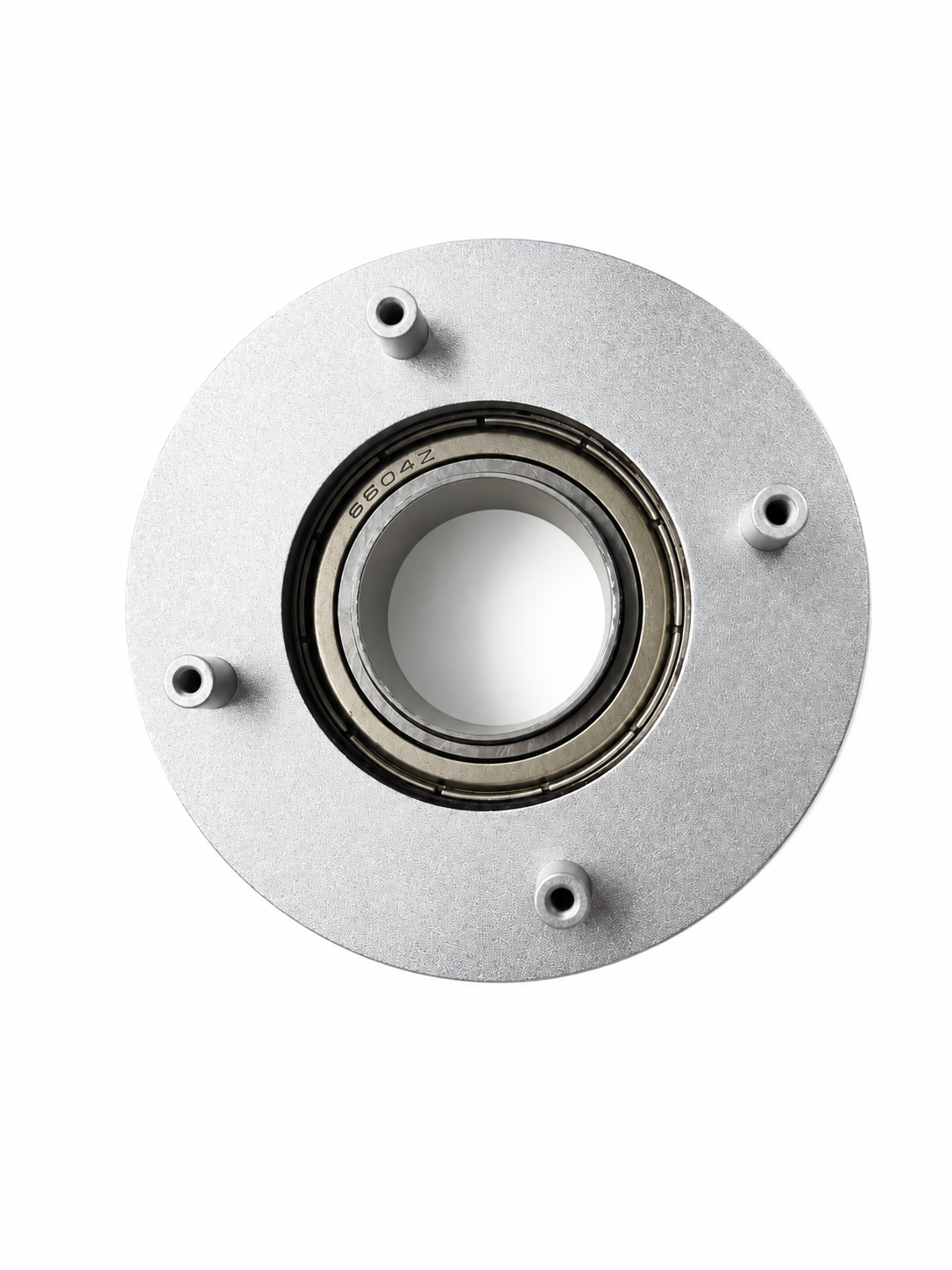
Six Key Benefits of a Hollow Shaft Servo Motor
Clean Cable Routing
Power, signal, and pneumatic lines pass through the bore, eliminating bulky external cable chains and reducing snag or pinch points.
Plan the Rotation Range
A through-bore does not prevent ordinary cables from accumulating twist. Unlimited rotation requires a suitable rotary transfer arrangement for the power, signals and any media involved.
Compact Integration
The through-bore lets you nest optics, tooling, or a second shaft inside the motor, shrinking the total machine envelope.
Cable Management
Internal routing can reduce exposed cable runs. Cable wear and maintenance still depend on the motion, protection and transfer arrangement.
Cleaner Aesthetics
Concealed wiring inside the axis produces a tidy, professional machine build that is easier to service and inspect.
Precise Position Feedback
Absolute encoders from 12-bit to 20-bit deliver repeatable, high-accuracy positioning for demanding motion profiles.
Hollow Shaft vs. Solid Shaft Servo Motor
| Factor | Hollow Shaft Servo | Solid Shaft Servo |
|---|---|---|
| Cable & line routing | Through the center bore | Around the outside |
| Continuous rotation | Requires suitable cable or rotary-transfer design | Requires suitable cable or rotary-transfer design |
| Footprint | More compact assembly | Needs external cable chain |
| Complexity | Depends on routing and rotary transfer | Depends on routing and rotary transfer |
| Typical use | Joints, scanners, optics | General rotary axes |
Where Hollow Shaft Servo Motors Are Used

- Robot joints: hollow-bore robot joint motors carry the arm's cabling through each axis for a slim, human-scale profile.
- Optical scanning & LiDAR: the bore can accommodate an optical path; continuous rotation and any rotating connections must be assessed separately.
- CNC & rotary tables: through-bore spindles and rotary axes pass bar stock, coolant, or workholding lines through the center.
- Medical & lab automation: compact hollow shafts route fiber and tubing inside instrumentation gimbals and sample handlers.
How to Select the Right Hollow Shaft Servo Motor

Choosing the correct model is about matching the bore to your service lines and the torque to your load. Use this checklist, then refine the details with our full robot joint motor selection guide.
- Bore diameter: measure the largest connector or fitting that must pass through, then add clearance.
- Torque & speed: confirm continuous and peak torque at your working speed against the load profile.
- Feedback: choose the encoder resolution and type your controller needs.
- Communication: match the drive interface (CANopen, EtherCAT, or RS-485) to your motion controller.
- Environment: verify IP rating and temperature range for washdown, vacuum, or cleanroom use.
Design Tip
Size the bore for your entire cable bundle plus connectors—not just the cable diameter. A connector that cannot pass through the shaft defeats the purpose of the hollow design. For joint applications, also review our guide on hollow-shaft cable routing and the buyer checklist.
Frequently Asked Questions
Is a hollow shaft servo motor less powerful than a solid shaft motor?
Not necessarily. Removing material from the shaft center has a small effect on inertia, but torque is produced by the rotor's outer magnetic structure, so a well-designed hollow shaft servo can match the continuous torque of a comparable solid-shaft unit.
Can air lines and fiber optics pass through the bore?
Yes. The bore is a straight mechanical passage, so it can carry pneumatic tubing, coolant lines, optical fiber, and even a laser beam, provided you keep them clear of rotating surfaces and respect the rated bore diameter.
What bore sizes are available?
Common hollow shaft servos span roughly 4 mm to 50 mm and larger depending on frame size. Specifying the right bore early is easier than adapting a machine later, so confirm it with the motor manufacturer during selection.
Do I still need a slip ring?
A hollow shaft alone does not remove the need for rotary transfer. If power or signals must cross a continuously rotating connection, assess a suitable slip ring or other transfer method. For a wireless slip ring hollow-shaft motor, confirm the supported power, signals and rotation conditions for the selected configuration.
A hollow shaft servo motor is one of the most effective ways to simplify a rotating machine while improving reliability and serviceability. Whether you are designing a compact robot joint, a continuous-rotation scanner, or a through-bore rotary axis, the right hollow-shaft drive removes complexity instead of adding it. Browse the Robot Joint Motor Technical Guides for more selection detail, or contact us to discuss your specific bore, torque, and feedback requirements.