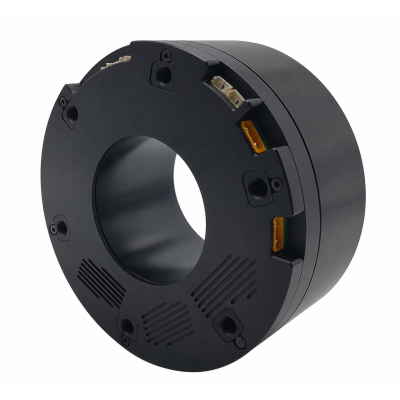
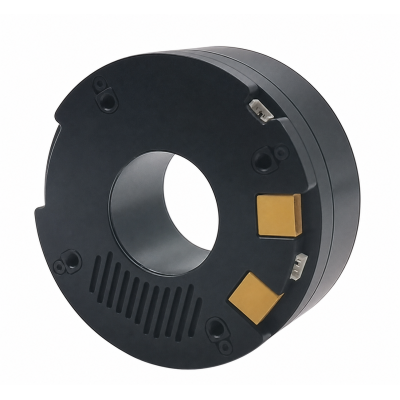
MG3505-8
 MG3505-9
 MG3505-36
 MG4315-8
 MG6010-6
 MG6010-8
 MG4305-10
 MG4310-10
 MG4310-36
 MG4310-40
 MG3510-8
 MG3510-64
 MG6010-36
 MG6010-48
 MG8108-6
 MG8108-8
 MG8108-36
 MG8108-48
 MG8115-6
 MG8115-9
 MG8115-36
 SRA705F
 SRA705FL
Hollow-Shaft Robot Joint Motors: Cable Routing and Buyer Checklist
What does a hollow shaft solve?
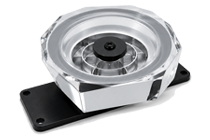
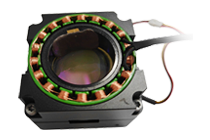
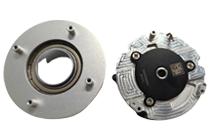
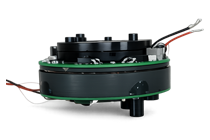
A hollow-shaft robot joint motor provides a central opening that can be used in an internal cable-routing design. The useful passage depends on the complete joint, including its transmission, bearings, connectors and protective parts. A motor bore alone does not establish the available space through the assembled actuator.
For a buyer, the first question is practical: can the intended cables and connectors pass through, move through the required joint angles, and remain accessible for assembly and maintenance?
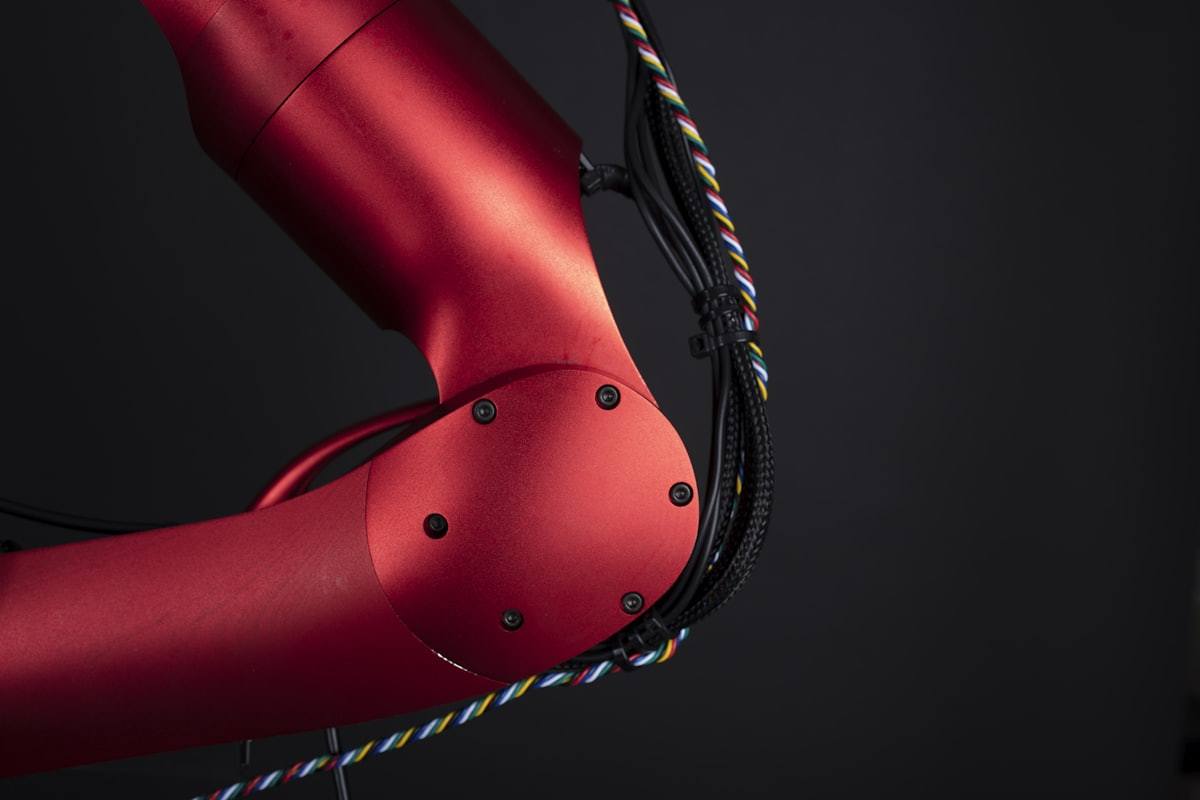
Check the complete passage, not just the bore diameter
Review a sectional drawing of the assembled joint. Identify the narrowest point, the cable entry and exit, and any surfaces that move relative to the cable bundle. A connector can be larger than the cable it terminates, so the assembly sequence matters.
Ask whether the drawing shows the supplied configuration or an optional arrangement. Record which parts are included: motor, gearbox, bearings, encoder, drive electronics and cable protection. The term “hollow shaft” does not specify that package.
Separate bending from twisting
A cable suitable for repeated bending is not automatically suitable for repeated twisting. Match the cable specification to the actual motion, using its stated bend radius, torsion limits, temperature range and installation conditions.
Define the joint travel, reversal pattern and free cable length. Show where the bundle is restrained and where it can move. Do not force a bend at a connector or assume that a bundle fitting through a stationary bore will remain clear throughout motion. Cable routing should be reviewed with the cable supplier as well as the joint supplier.

Keep the motion requirements in the specification
Internal routing is a packaging choice, not a substitute for motor sizing. Compare the required torque and speed over the motion cycle, and distinguish sustained operation from short peak demands. Confirm the voltage, current limits, mounting and cooling conditions behind each rating.
For positioning, define whether the requirement applies at the motor or at the joint output. Include the load and test conditions. A neat cable route does not, by itself, establish output accuracy, thermal performance or service life.
A buyer checklist for comparable quotations
Use the same specification revision when comparing quotations. Include the following items:
- Application and joint travel: rotation limits, repeated reversals and duty cycle.
- Motion demand: torque and speed profile, payload and holding periods.
- Mechanical envelope: mounting dimensions, mass target and complete through-passage drawing.
- Cable arrangement: cable types, bundle size, connector dimensions and assembly sequence.
- Electrical integration: supply voltage, controller protocol, feedback and connector pinout.
- Verification: agreed sample tests, measurement conditions and acceptance criteria.
- Supply scope: included accessories, document revisions, sample quantity and production quantity.
Request that a quotation identify its exact configuration, exclusions and document revision. Confirm delivery terms, lead time and support scope separately rather than assuming that two similar model names represent the same offer.
Validate the assembled joint before committing to production
An initial fit check should be followed by testing with the intended cable bundle and representative motion. Observe the entry and exit points through the full travel, then inspect for rubbing, connector loading and changes in cable position.
Run the agreed operating cycle while monitoring relevant temperatures and control or feedback faults. Document the assembly revision and test conditions so that a later sample or production change can be assessed against the same baseline. Agree on the test duration with the engineering team; a short demonstration is not a lifetime test.

Frequently asked questions
Does a hollow shaft allow unlimited rotation?
No. A through-bore does not prevent ordinary cables from accumulating twist. Unlimited rotation requires a separately engineered rotary transfer arrangement appropriate to the power, signals and any media involved.
Is a larger bore always better?
No. Compare the usable passage together with the external dimensions, mass, motion performance and assembly requirements. Choose around the complete joint.
Which SolisMotor product is relevant to this topic?
The MG-H49-12 is listed in the SolisMotor hollow-shaft motor range. Its product page is a starting point for a configuration review; this article does not assign it a bore size, cable capacity or unlimited-rotation capability. Confirm those details against the applicable drawing and supplied configuration.