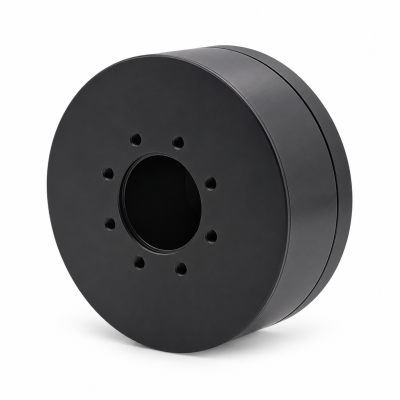
MG3505-8
 MG3505-9
 MG3505-36
 MG4315-8
 MG6010-6
 MG6010-8
 MG4305-10
 MG4310-10
 MG4310-36
 MG4310-40
 MG3510-8
 MG3510-64
 MG6010-36
 MG6010-48
 MG8108-6
 MG8108-8
 MG8108-36
 MG8108-48
 MG8115-6
 MG8115-9
 MG8115-36
 T-4024
 T-4929
 T-6034
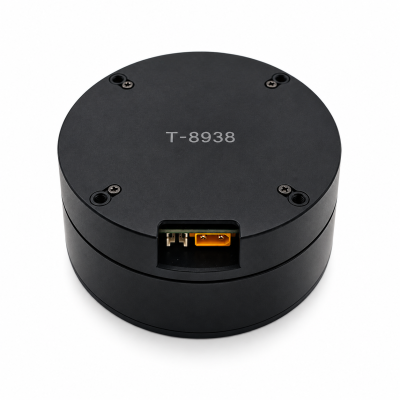
 T-8938
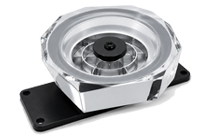
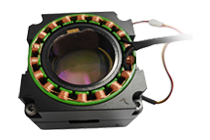
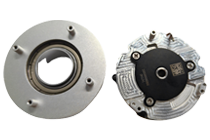
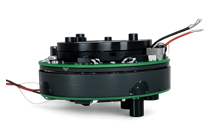
What Is a Direct Drive Motor?
Direct answer. A direct drive motor turns a load without a reduction gearbox between rotor and load. In a rotary joint, motor and output turn at essentially the same speed, so the motor must supply the required output torque directly. Removing the gearbox can eliminate gearbox-related lost motion, but overall precision still depends on the motor, bearings, feedback, drive, cooling and mechanical integration.
For a concrete product starting point, see SolisMotor’s Direct Drive Motor range. This article explains the architecture first, then the checks needed before selecting any model.
How does direct drive work?
The stationary part of a motor creates a magnetic field that produces torque on its rotating part. In a direct-drive axis, the rotor connects to the load without an intervening speed-reduction gearbox. For a rigid 1:1 connection, the idealized relationships are output speed ≈ motor speed and output torque ≈ motor torque. Couplings, bearings and other real components still have losses and compliance; “direct” does not mean friction-free or automatically precise.
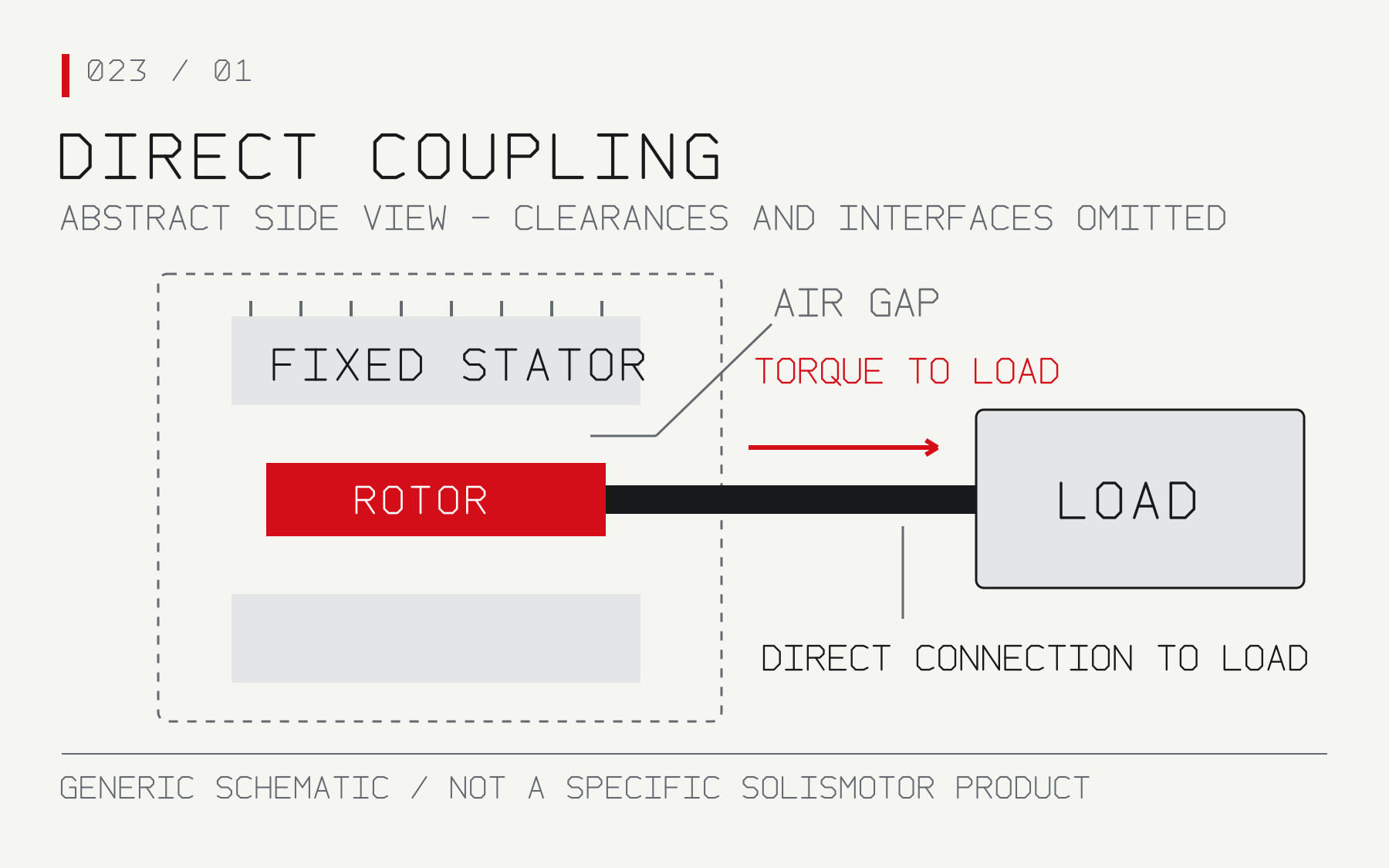
The architecture has a long engineering history. Asada and Kanade’s 1983 Carnegie Mellon University paper on direct-drive manipulators (external research) describes coupling the motor rotor to the joint without a transmission. That is an architectural definition, not a performance certificate for any current product.
Direct drive is not the same as frameless, hollow-shaft or QDD
These terms answer different questions. A motor may satisfy more than one description, but none of them alone proves that the finished axis is directly driven.
| Term | What it describes | What to check in the finished axis |
|---|---|---|
| Direct drive | Motor-to-load transmission architecture | Is there a reduction stage between rotor and output? |
| Frameless motor | Motor supplied as separate rotor and stator for integration | Is the assembled rotor connected directly to the load, or through a gearbox? |
| Hollow shaft | A passage through a rotating part for cables or other routing | Does the passage coexist with a direct or geared output path? |
| Quasi-direct drive (QDD) | An actuator that retains a low-ratio reduction stage | What are the actual ratio, reflected inertia, friction and output limits? |
Scroll within the table to read every column.
In particular, a frameless motor can be assembled into either a direct-drive or geared system. The distinction matters when comparing an individual motor listing with a complete actuator. SolisMotor’s guide to frameless torque motor components and integration explains that supply boundary. The direct-drive versus geared joint guide covers the separate architecture choice.
What changes when the gearbox is removed?
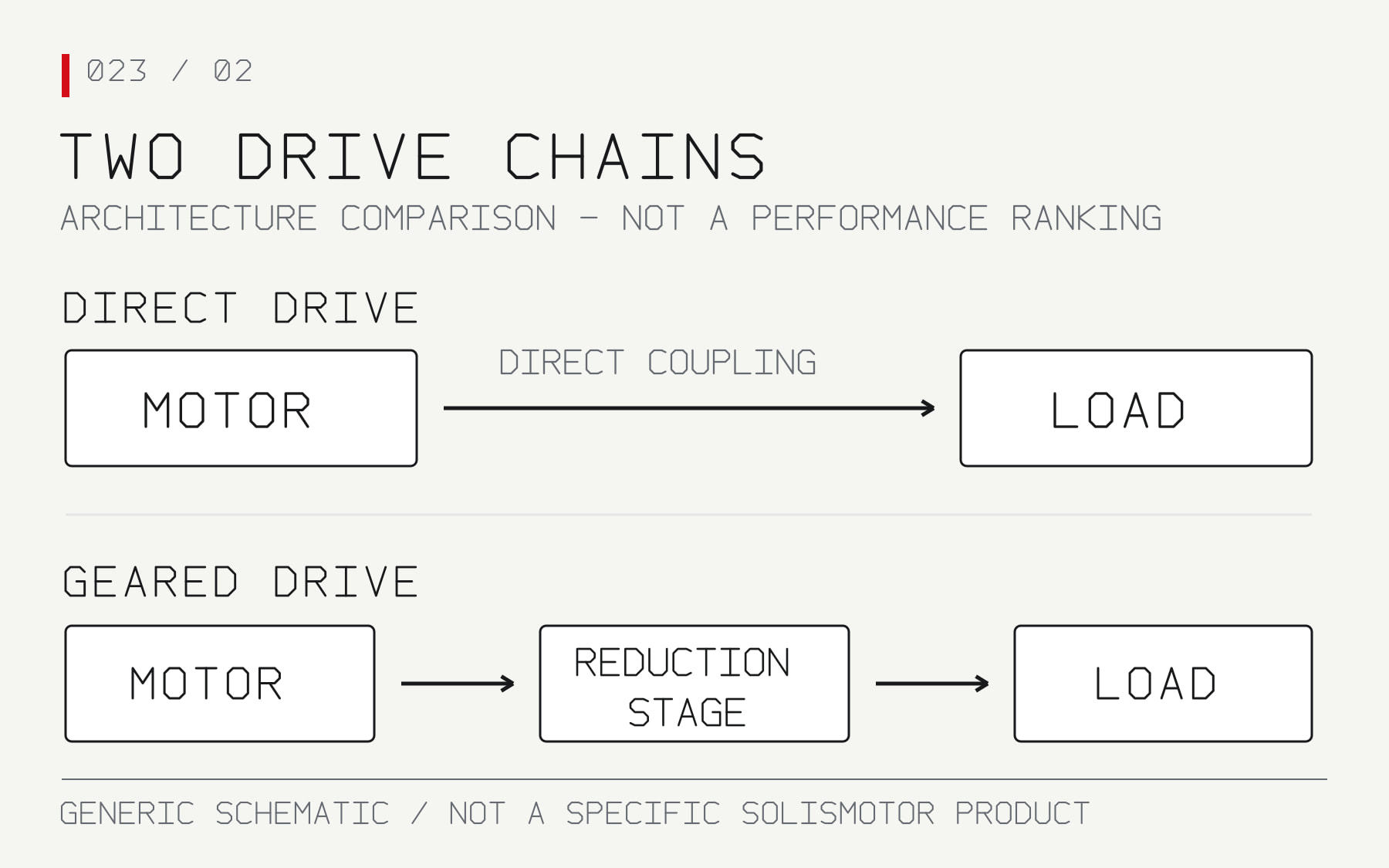
With no reduction ratio multiplying motor torque, the motor must meet the joint’s torque requirement at the joint’s actual operating speed. Eliminating a gearbox can remove gearbox-specific backlash, but it does not eliminate bearing friction, motor torque ripple, structural flex, encoder error or control delay. The complete axis still needs a load path for radial and axial forces, an appropriate position or velocity feedback scheme and a thermal path.
This is why “gearless” is not a substitute for a sizing calculation. A geared motor and a direct-drive motor can both be appropriate when each is evaluated against the same load, motion, temperature and packaging requirements. For a gimbal, for example, the required holding and dynamic torques depend on payload balance and motion, while stabilization also depends on sensing and control. SolisMotor describes direct-drive gimbal motor solutions; its page is an application reference, not evidence that every gimbal will reach a particular accuracy.
A simple torque and speed check
Start with the load’s required torque at the output throughout the duty cycle: gravity or imbalance, acceleration of the reflected load inertia, external disturbance and friction. Then compare continuous torque at the operating speed and thermal conditions, not only a peak value. SolisMotor’s continuous torque vs peak torque guide explains this rating distinction. Check short-duration peak torque separately against the acceleration or disturbance interval, and verify the drive’s voltage and current limits. The motor’s published rating conditions and the assembled axis’s cooling can differ.
Hypothetical calculation, not a SolisMotor test: assume a rotary load needs a constant 0.40 N·m resisting torque while turning at 30 rpm, and ignore acceleration for this one operating point. Its mechanical output power is
P = T × ω = 0.40 × (2π × 30/60) ≈ 1.26 W.
That number alone cannot select a motor: it says nothing about starting torque, acceleration, holding duty, electrical input, losses or temperature rise. The power identity is a first-pass check, not a substitute for the motor’s torque–speed curve and continuous-duty thermal rating.
SolisMotor’s current T-4024 direct-drive motor rated torque is listed as 0.09 N·m, whereas the T-6034 direct-drive motor rated torque is 0.65 N·m. These are published product ratings, not a recommendation for the hypothetical load above. Compare the operating conditions, drive configuration and mechanical interfaces with SolisMotor before treating ratings from different models as interchangeable.
Six checks for a direct-drive robot joint or rotary axis
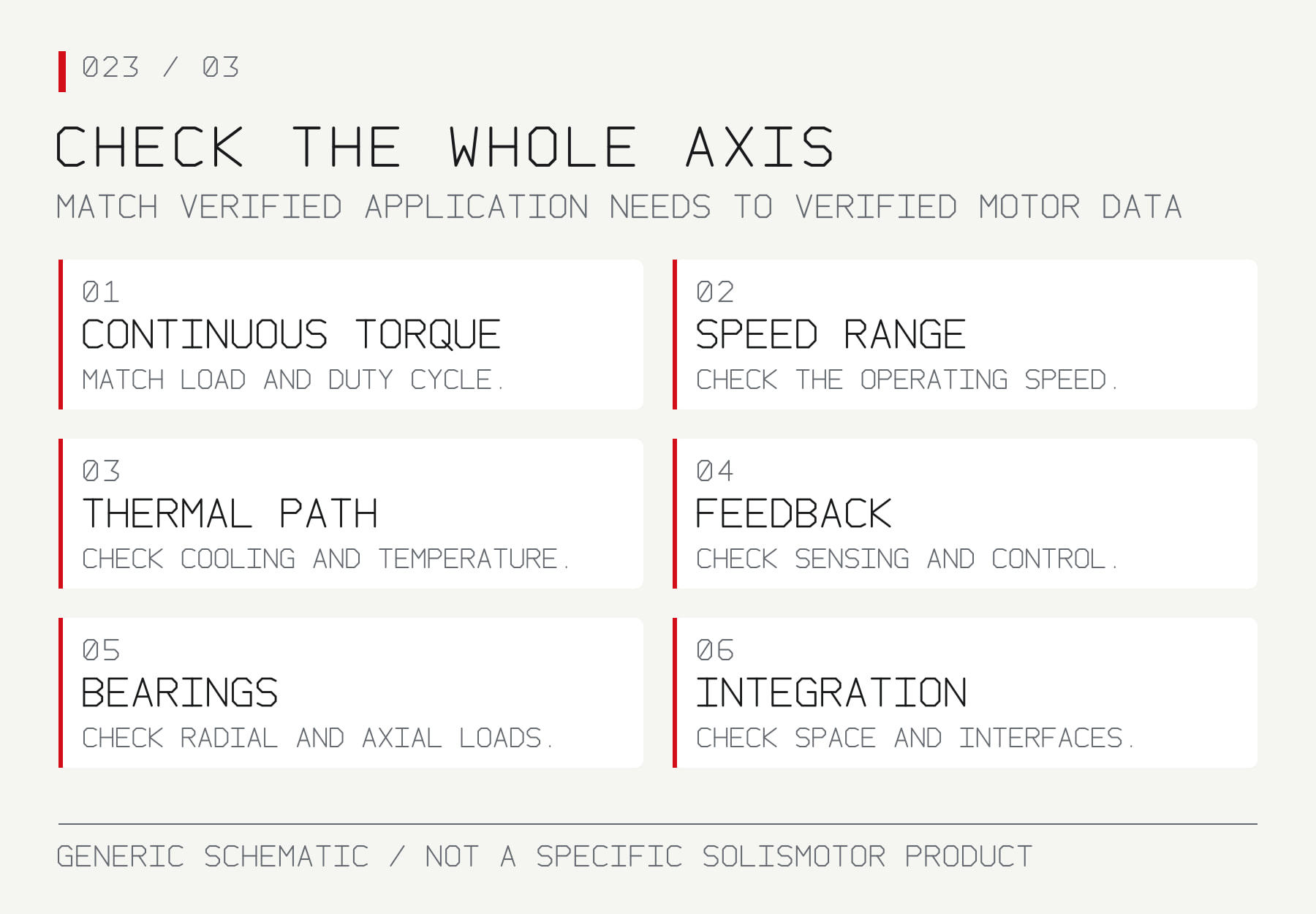
- Torque over the full cycle. Separate continuous, holding and transient peak demands; include the real load and acceleration profile.
- Speed and control range. Confirm the required low-speed behavior and maximum speed with the intended drive and feedback.
- Thermal path. Check ambient temperature, mounting heat transfer, duty cycle and the rating conditions used in the motor data.
- Feedback and control. Specify what the sensor measures, its resolution and mounting, and how the controller handles disturbances. A listed encoder does not by itself guarantee final joint accuracy.
- Bearings and structure. Decide where radial and axial loads go and how the rotor, housing and output are aligned. Do not assume the motor alone supports every external load.
- Interfaces and safety. Review voltage/current, cabling, envelope, mounting, any holding brake and behavior when power is lost.
FAQ
Does direct drive mean there are no gears anywhere in the machine?
No. It means there is no reduction gearbox between this motor’s rotor and the load it drives. Another part of the machine can still contain gears.
Is a direct-drive motor always more precise or more efficient?
No. Removing a gearbox changes one set of error and loss sources, but motor torque ripple, bearings, thermal behavior, structure, sensing and control still matter. Compare complete axes under the same duty and measurement conditions.
Can a frameless motor be used for direct drive?
Yes. If its integrated rotor drives the load without a reduction stage, the finished axis is direct drive. “Frameless” describes how the motor is supplied and integrated, not the output transmission by itself.
What information should I provide before requesting a direct-drive motor?
Provide required continuous and peak output torque, operating speed range, load inertia and balance, duty cycle, voltage/current limits, ambient and cooling conditions, bearing loads, feedback requirements and available dimensions. The motor and drive should be evaluated as part of the entire axis.
To review a real axis, share its torque–speed duty, load inertia, thermal conditions and installation envelope with SolisMotor for a direct-drive motor application review.