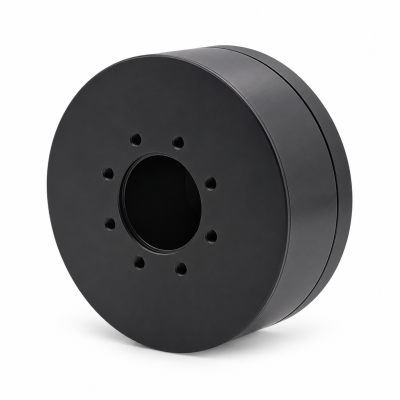
MG3505-8
 MG3505-9
 MG3505-36
 MG4315-8
 MG6010-6
 MG6010-8
 MG4305-10
 MG4310-10
 MG4310-36
 MG4310-40
 MG3510-8
 MG3510-64
 MG6010-36
 MG6010-48
 MG8108-6
 MG8108-8
 MG8108-36
 MG8108-48
 MG8115-6
 MG8115-9
 MG8115-36
 T-4024
 T-4929
 T-6034
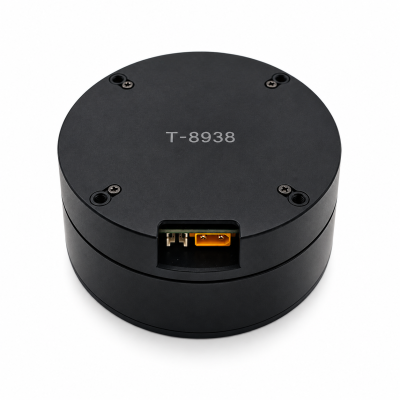
 T-8938
Humanoid Robots in 2026: What Is Driving Motor Demand?
Three mechanisms shape humanoid robot motor demand in 2026: development builds need parts, each robot architecture determines motor content, and validation helps determine which designs qualify for repeat orders. For an OEM buyer, this means tracking both quantity and specification. The following is an engineering interpretation of demand, not an estimate of market size.
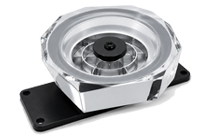
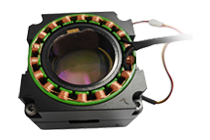
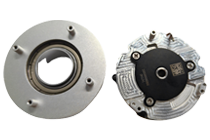
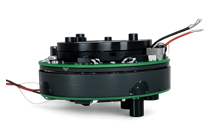
Use the SolisMotor Robot Joint Motor range to identify the supplied functions before comparing quantities or prices. This guide connects industry context to component decisions, then shows how a design change affects an assumed build plan.
Cover: original AI-generated humanoid concept, not a SolisMotor robot or customer installation. Context checked 3 November 2026.
Read 2026 activity by project stage
Reviewing 2025 activity, the Stanford HAI 2026 AI Index Report, Chapter 2, describes a wider range of humanoid hardware and substantial investment, while emphasizing early industrial trials rather than broad deployment. It also identifies uncertainty about demand matching planned supply and about customers at scale. That evidence supports careful project qualification; it does not establish a verified total for humanoid motor shipments.
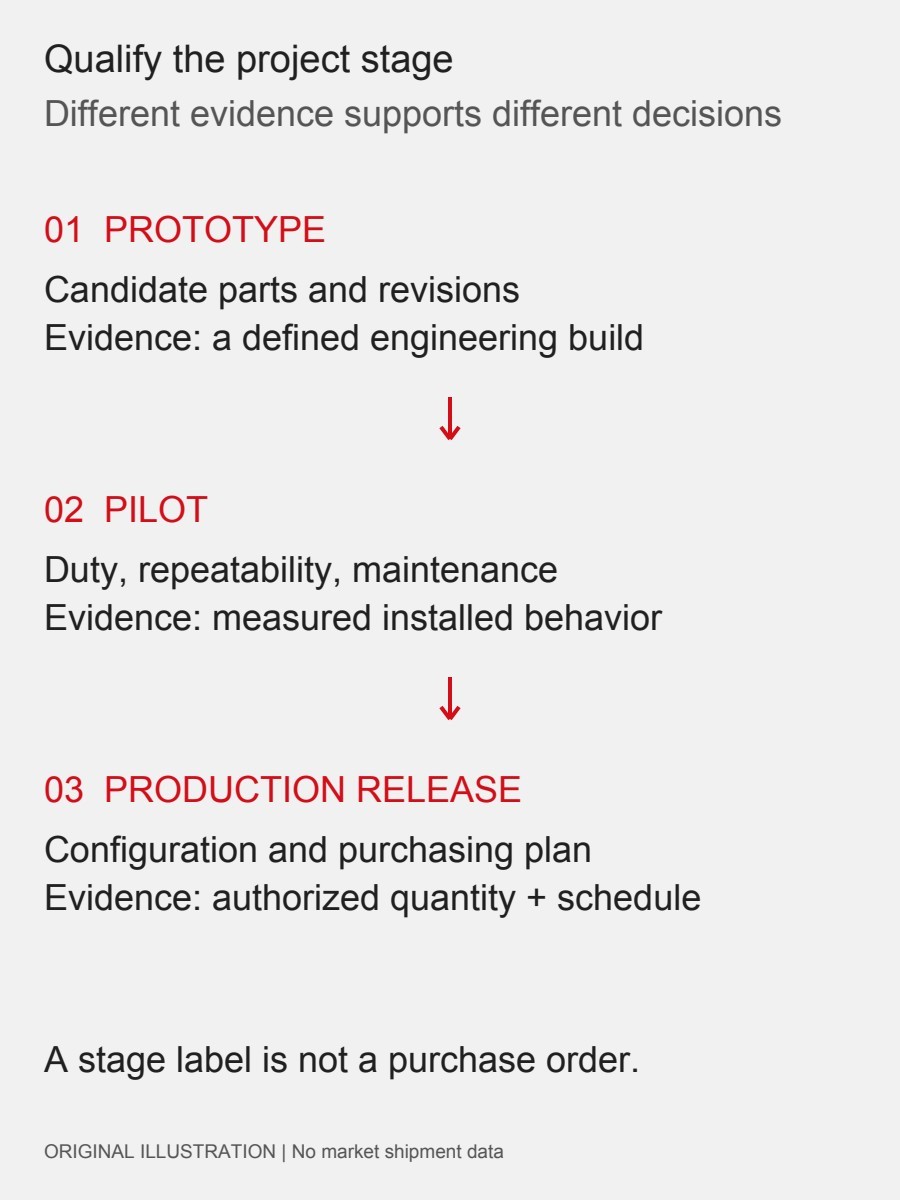
The practical question is what stage the component request has reached. The diagram below lists evidence to check at each stage; it does not predict which programs will scale.
How three demand drivers affect a motor purchase
1. Development and pilot builds need parts before mass production
A development program can need motors for joint benches, prototype machines and revised assemblies. These requirements can exist even while the final production design is unsettled. A pilot build adds a defined test fleet, but it does not by itself establish a later production quantity.
Purchasing implication: separate bench, prototype and pilot quantities. Record which parts can be reused and which revision each build needs, rather than treating every engineering request as a new production order.
2. The architecture sets the motor content per machine
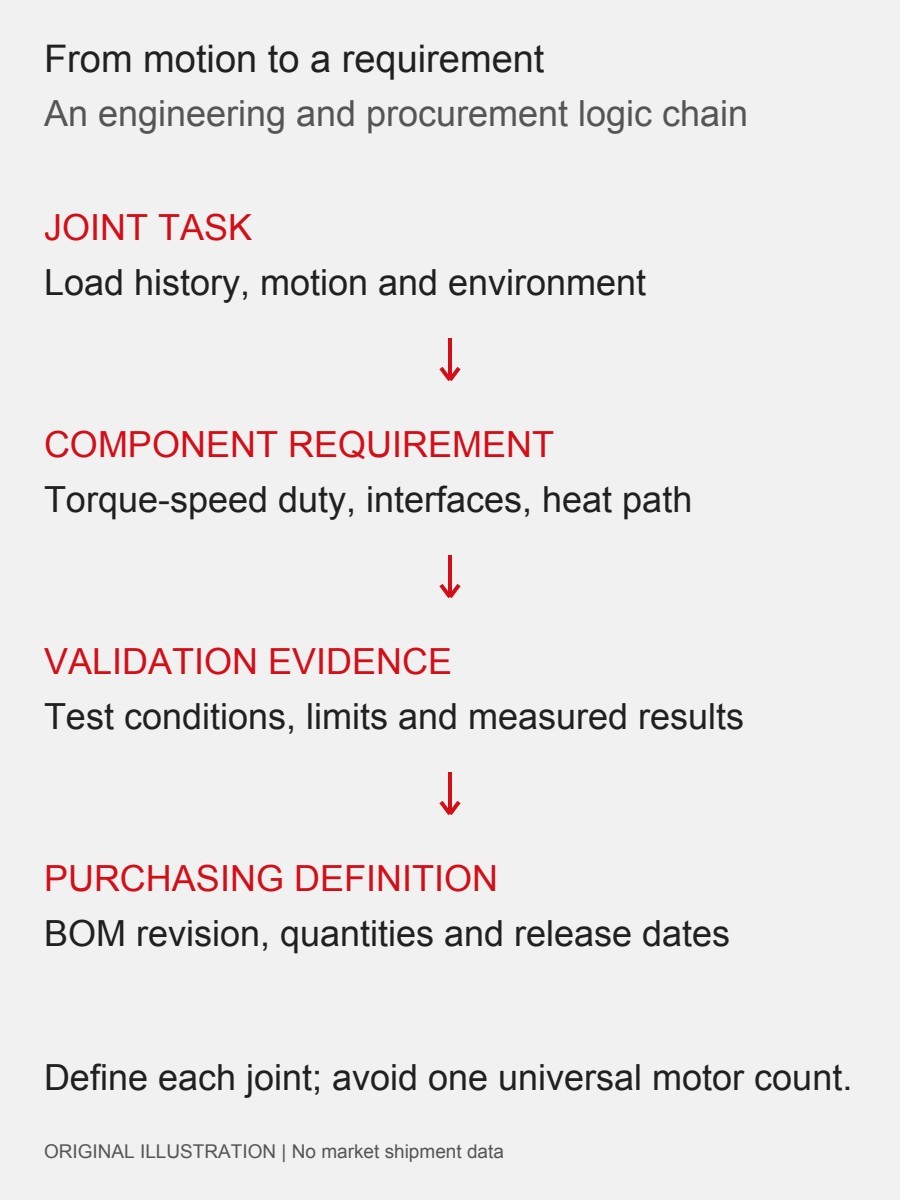
Count from the actual joint layout and bill of materials (BOM). Visible joint motion is not a reliable motor count: coupled joints, tendons, passive joints and shared drives change the relationship. Hands and wrists also need their own architecture-specific assessment.
Purchasing implication: define whether the supplied item is a bare motor, a motor with feedback or a larger joint assembly. Count the motor inside a purchased assembly once. Compare quantities and prices at the same supply boundary.
3. Task validation qualifies designs for repeat purchases
Torque, speed, travel, load history and cooling conditions determine whether a candidate meets the task. Northwestern University’s Modern Robotics, Section 8.9, explains why gearing changes both torque–speed relationships and joint dynamics. A component that fits geometrically still needs installed validation.
Purchasing implication: qualifying a different task may change the motor specification without changing the motor count. Use the robot-joint heat-management guide to organize repeated-duty conditions, and the lightweight humanoid actuator design checks to review mass and packaging limits. Agree on acceptance evidence before releasing repeat purchases.
A quantity example without a market forecast
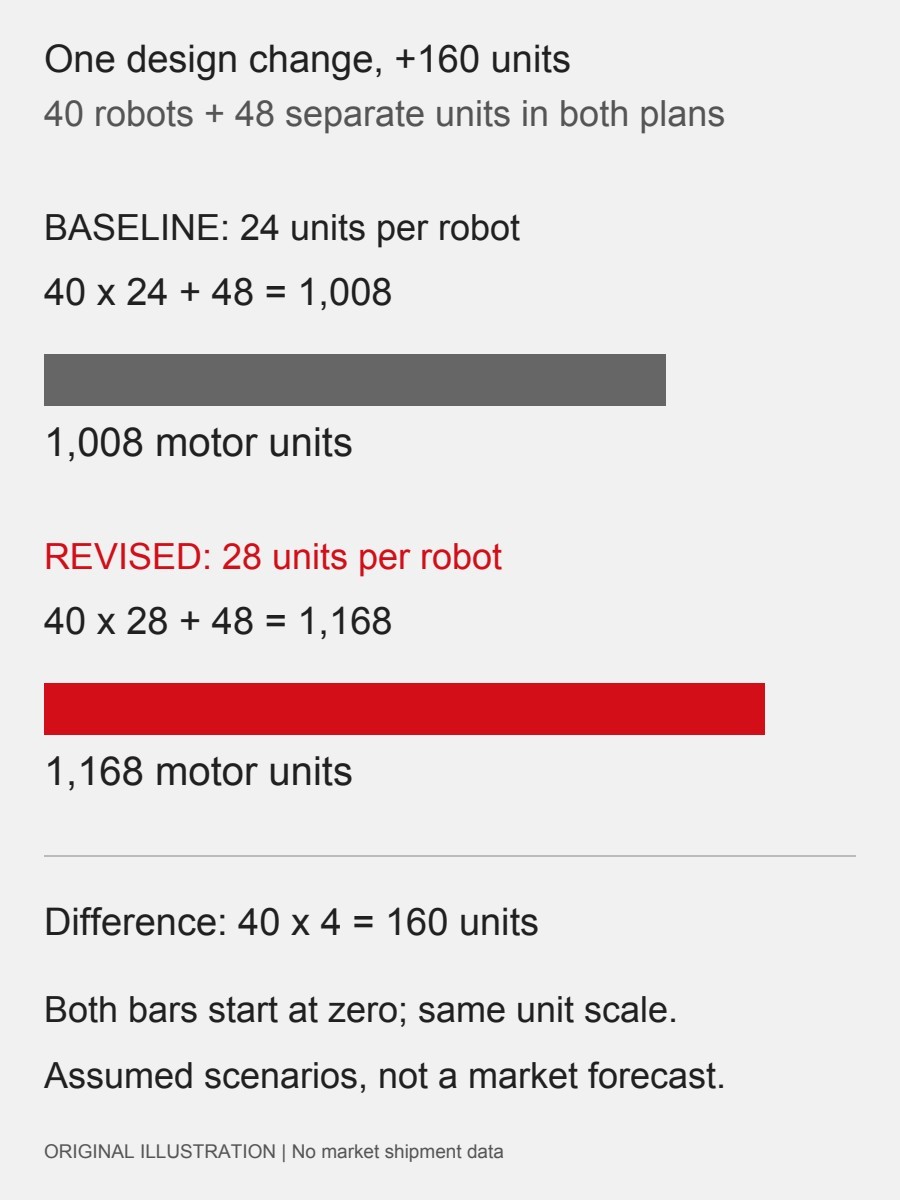
Assumed planning scenario: an OEM plans 40 identical pilot robots. Its released configuration contains 24 motor units per robot. It separately allocates 48 units for bench work and spares. All three inputs are hypothetical; they do not describe SolisMotor orders or a typical humanoid.
Q = 40 × 24 + 48 = 1,008 motor units
The 1,008 units are a requirement estimate under those assumptions. They become an order only through an actual purchasing commitment. The calculation also does not determine how many distinct part numbers are needed.
| Input | Assumption | What to verify |
|---|---|---|
| Robot quantity | 40 pilot machines | Approved build plan and release dates |
| Motor content | 24 units per machine | Current BOM revision and supplied assembly boundary |
| Separate allocation | 48 units | Bench and spare needs; avoid counting them twice |
On a phone, swipe within the table to see all columns.
Design-change sensitivity: if a revised architecture adds four motor units per robot, the same 40-robot plan needs 40 × 28 + 48 = 1,168 units—160 more than the baseline. This change says nothing about industry growth; it isolates one design decision. Confirm the revised BOM and calculate each part number separately.
What a useful OEM motor RFQ should contain
An RFQ is a request for quotation. Make it possible to evaluate the requirement by including:
- Joint identity and supplied functions: motor, feedback, drive, transmission and output support.
- Torque–speed duty at a named shaft, including holding and acceleration where relevant.
- Available voltage, current limits, cooling and ambient conditions.
- Envelope, mass budget, interfaces, cable routing and motion range.
- Prototype, pilot and production quantities as separate lines, with BOM revisions and requested dates.
- Acceptance evidence, unresolved decisions and who can authorize a change.
The SolisMotor engineering-services overview provides a starting point for discussing project scope. Send a defined requirement through the SolisMotor contact page; ask for confirmation of the exact configuration, validation plan and commercial terms. No capacity, delivery time or certification is assumed here.
Frequently asked questions
How many motors does a humanoid robot need?
There is no single number. Count motor units from the actual architecture and BOM, and state whether you are counting motors, powered joints or purchased actuator assemblies.
Does every pilot robot create a production motor order?
No. A pilot establishes a test or deployment activity. Production quantities require a separate configuration release and purchasing commitment.
Can announced robot capacity be counted as motor orders?
No. Capacity is a possible production capability. A motor order requires a defined configuration, quantity and purchasing commitment; a capacity figure alone does not establish an order.
What is the most useful demand signal for a supplier?
For order planning, a defined configuration, quantity, schedule and authorized purchasing decision are more actionable than an unqualified platform announcement.
Technical and industry context
Stanford HAI, 2026 AI Index Report, Chapter 2, “Humanoid Robotics,” printed page 118. Kevin M. Lynch and Frank C. Park, Northwestern University, Modern Robotics, Section 8.9, “Actuation, Gearing, and Friction.” Sources checked 3 November 2026. The quantity example and procurement framework are the author’s illustrative analysis; neither institution endorses SolisMotor.