
POWERED BY SOLIS
 MG3505-8
 MG3505-9
 MG3505-36
 MG4315-8
 MG6010-6
 MG6010-8
 MG4305-10
 MG4310-10
 MG4310-36
 MG4310-40
 MG3510-8
 MG3510-64
 MG6010-36
 MG6010-48
 MG8108-6
 MG8108-8
 MG8108-36
 MG8108-48
 MG8115-6
 MG8115-9
 MG8115-36
 SRA705F
 SRA705FL
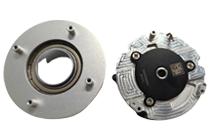
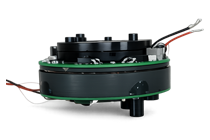
How to Choose the Right Joint Motor for Your Robot?
The Short Answer
Start from your robot's joint loads and motion profiles: calculate the continuous torque and peak torque required at the operating speed for each joint, then select a motor and reducer combination that delivers both with margin. Compare continuous torque at working speed rather than stall torque alone, and verify encoder resolution, voltage, and mechanical envelope before finalizing.
Selection Steps
- Define the load: list the mass, center of gravity, and required angular acceleration for each joint of your robot.
- Compute torque: calculate continuous and peak torque, then add a safety factor of 1.3-2x for dynamic loads.
- Check the speed: confirm the motor speed after the reducer meets the joint's maximum angular velocity.
- Choose the encoder: pick resolution based on positioning accuracy, e.g. absolute encoders for humanoid joints.
- Verify integration: confirm voltage, current, controller compatibility, and available space for the housing and cabling.
Common Pitfall
Peak torque is only available briefly. If the rated continuous torque is lower than the sustained load, the motor will overheat during continuous operation. Always size for continuous torque first, then confirm the peak capability covers transient motions.
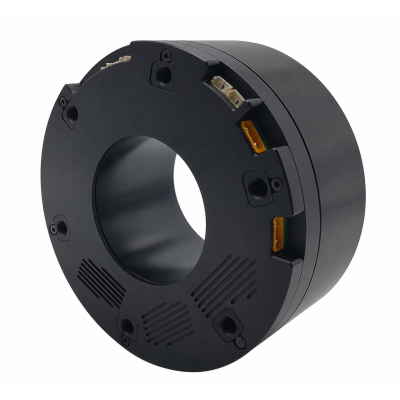
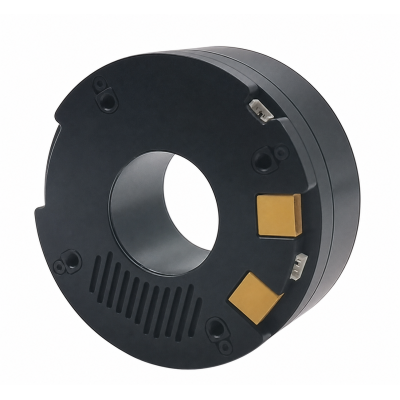
Are you looking for a reliable manufacturer?
We can quickly provide customers with market analysis, technical support and customized services.POWERED BY SOLIS
Please send your message to us
- *Name
- Phone
- *Title
- *Content