
POWERED BY SOLIS
 MG3505-8
 MG3505-9
 MG3505-36
 MG4315-8
 MG6010-6
 MG6010-8
 MG4305-10
 MG4310-10
 MG4310-36
 MG4310-40
 MG3510-8
 MG3510-64
 MG6010-36
 MG6010-48
 MG8108-6
 MG8108-8
 MG8108-36
 MG8108-48
 MG8115-6
 MG8115-9
 MG8115-36
 SRA705F
 SRA705FL
Home / All / Scan Motor FAQs / What Is the Difference Between a Hollow-Shaft Motor and a Solid-Shaft Motor?
What Is the Difference Between a Hollow-Shaft Motor and a Solid-Shaft Motor?
The Short Answer
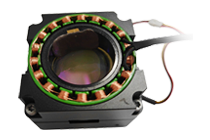
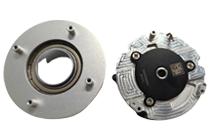
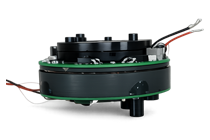
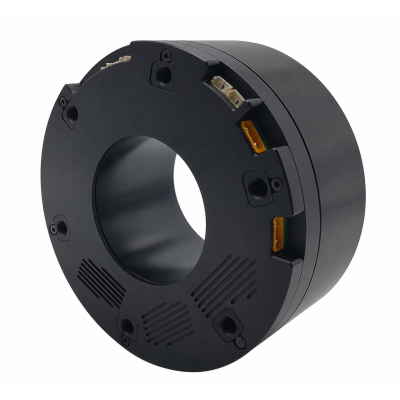
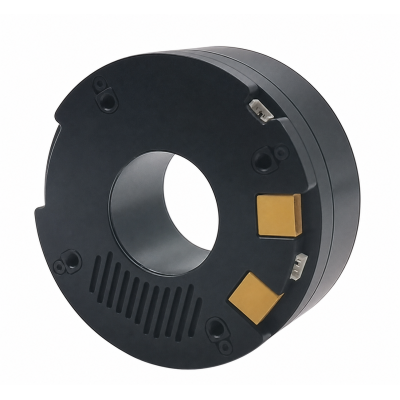
A hollow-shaft motor has a bore running through the center of the rotor, so cables, shafts, or optical elements can pass directly through the motor. A solid-shaft motor transmits motion through a conventional output shaft instead. Hollow-shaft designs are preferred in compact robotic joints because they save axial space, simplify cable routing, and eliminate the need for external cable management.
Key Differences at a Glance
| Feature | Hollow-Shaft Motor | Solid-Shaft Motor |
|---|---|---|
| Center bore | Yes, cables or shafts pass through | No, solid rotor core |
| Axial height | Compact, ideal for thin joints | Requires external cable routing space |
| Wiring complexity | Reduced, cables stay inside the joint | Higher in multi-axis assemblies |
| Typical use | Humanoid joints, robotic arms, gimbals | General servo and drive applications |
When to Choose Each Type
- Choose a hollow-shaft motor when joint height is limited and cables must pass through the axis of rotation.
- Choose a solid-shaft motor when a standard coupling or pulley mount is simpler and through-axis routing is not needed.
- For multi-axis arms, hollow-shaft motors keep wiring organized and reduce failure points from cable strain.
Are you looking for a reliable manufacturer?
We can quickly provide customers with market analysis, technical support and customized services.POWERED BY SOLIS
Please send your message to us
- *Name
- Phone
- *Title
- *Content